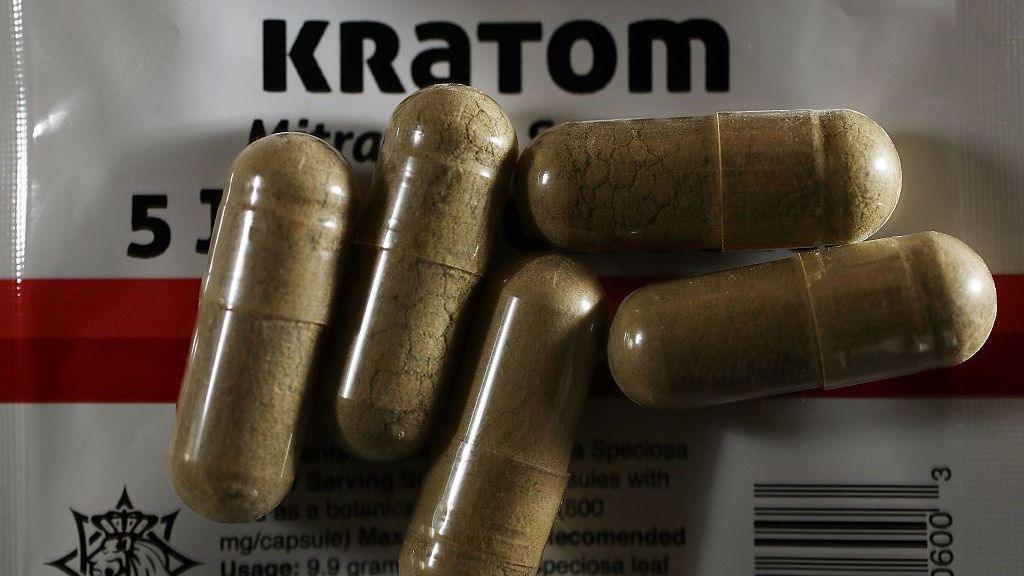
The Mississippi Attorney’s Office announced on Tuesday that Yahya Mohamed Mosleh, 51, and his 18‑year‑old son Islam Yahya Mosleh were arrested in connection with the deaths of two University of Mississippi students. The charges allege possession with intent to distribute a controlled substance that investigators say is a kratom derivative, a plant‑based compound that has been sold in the U.S. as “gas‑station heroin.”
Kratom, native to Southeast Asian forests, has a long history of use in traditional medicine. Indigenous peoples in the region ground its leaves or brew its tea for pain relief, energy, and spiritual cleansing. Over the past decade, it has migrated to the U.S. market, sold in pharmacies and smoke shops, often without regulatory oversight.
The two Ole Miss students were found in separate dormitories in early September. Autopsies did not yet confirm kratom as the definitive cause, but the presence of suspicious tablets in the students’ rooms and the recent discovery of similar packages in the Moslehs’ shop led prosecutors to link the incident to the family’s sales operation.
Mississippi’s drug statutes treat kratom itself as unregulated, yet several of its synthetic derivatives—MGPI, MGM‑15, and MGM‑16—are classified as Schedule I substances in the United States. This new enforcement environment has raised concerns among clinicians and community advocates that the crackdown might also reach legitimate herbal remedies practiced by indigenous groups.
In the weeks since the arrests, state officials have called for greater education on the risks of unregulated kratom. They have also reiterated that the drug is legal in Mississippi, yet the introduction of potent derivatives carries the potential for overdose just as in the recent student deaths.
For communities that view plants as living partners, this case serves as a reminder of the fragile balance between the therapeutic use of herbal medicine and the growing reach of federal drug enforcement. As authorities keep a close eye on how people trade in natural compounds, indigenous practitioners continue to advocate for respectful stewardship of the knowledge that has guided their peoples for generations.