In August, a 29‑year‑old woman was found hanging from a tree in Jackson, Mississippi. The scene, however, would later be described by police as a staging after the victim’s death.
The discovery of the body brought new anxiety to a city already wary of law enforcement, given the state’s long history of racial violence and unequal justice.
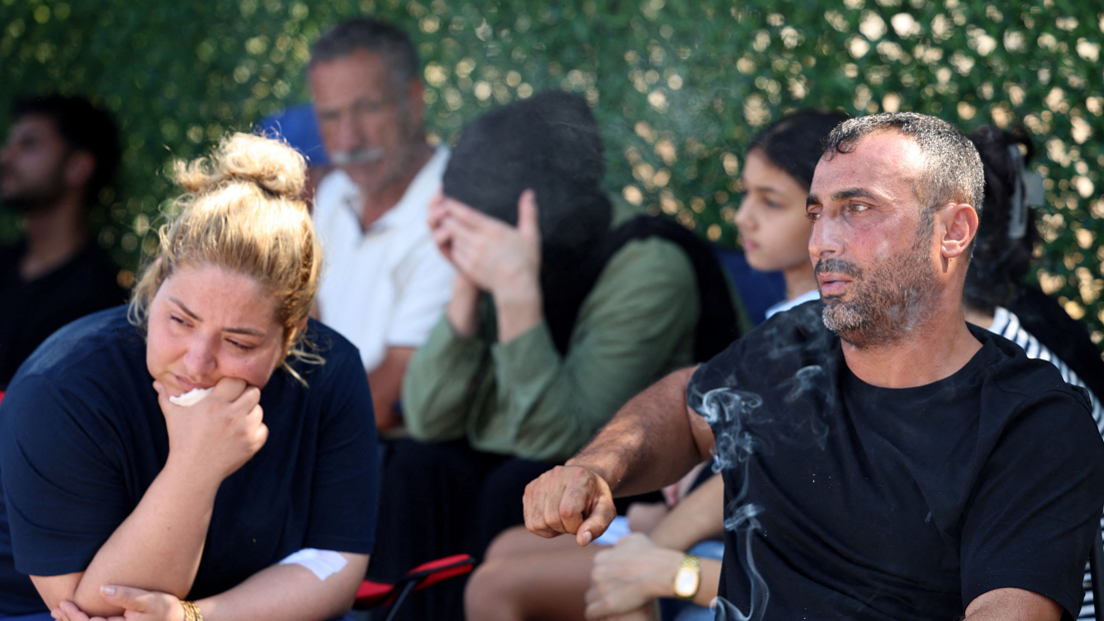
Christy Spivey, the mother of the deceased, sent shock and confusion into the public debate. She stated she felt “more at peace” when a coroner confirmed her daughter did not die by hanging, but that peace faded as new details emerged, leaving her “starting to break down.”
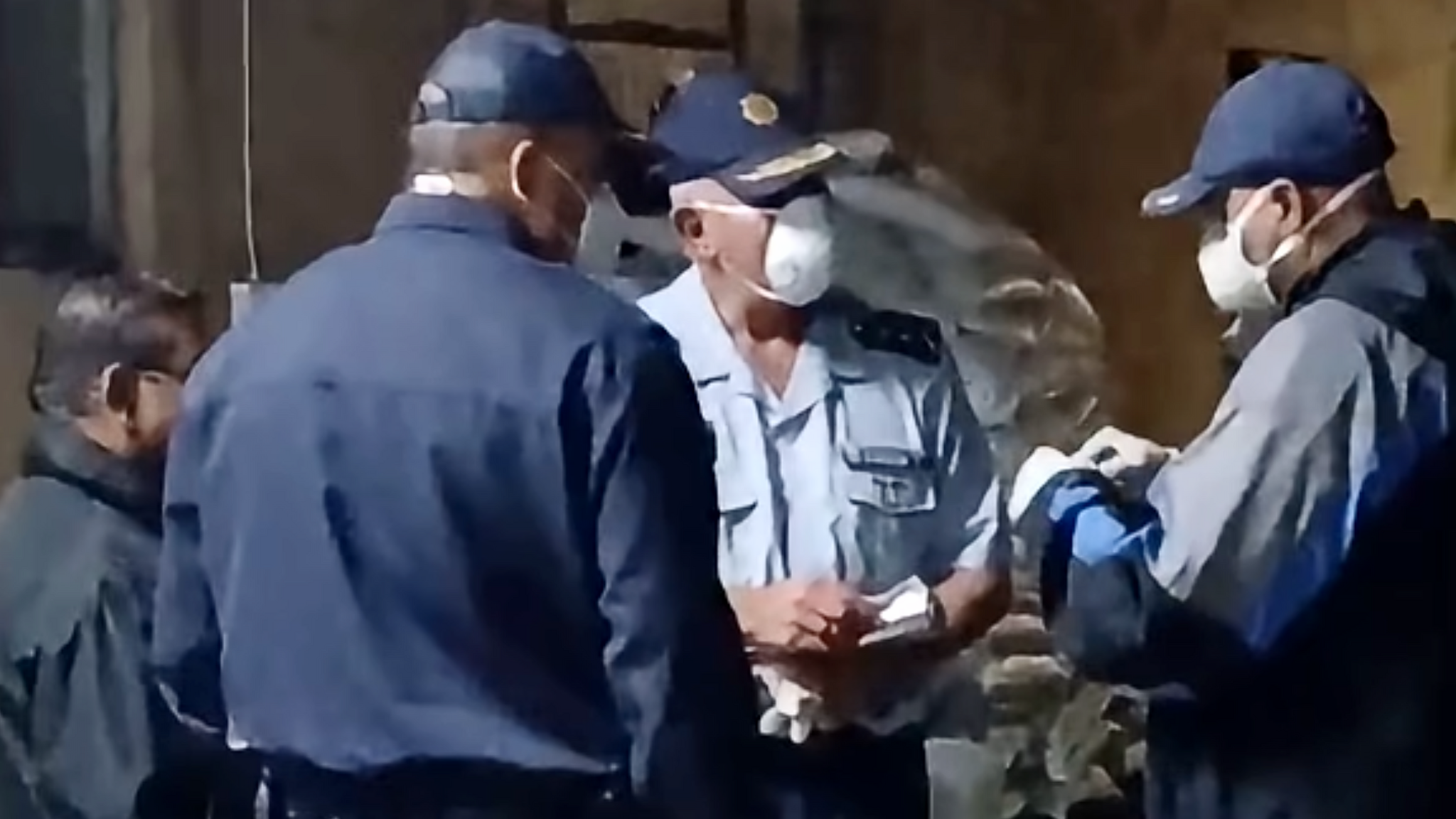
Police officials said the coroner determined the death was a homicide, though the exact cause remains undisclosed. Speculation from the department suggested a drug dispute, a theory the family rejected, although acknowledging the father’s daughter had struggled with addiction.
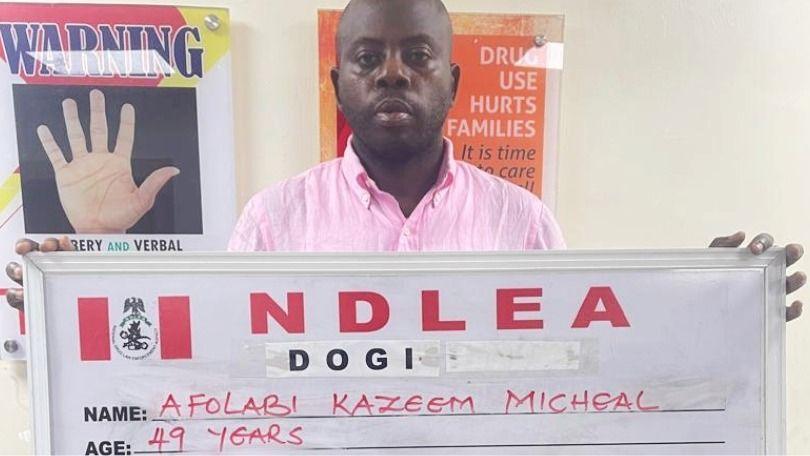
The community’s response has been swift: local activists and politicians are calling for a federal probe, demanding transparency regarding the staged scene and the identities of the three black men now arrested.
The case embodies the broader tensions in Mississippi—a place where nature and tradition intersect with a past of exploitation and present‑day scrutiny. The unresolved questions echo the need for environmental stewardship that respects both the land and the people who call it home.