In brief
In Rawalakot, the makeshift clinic of Dr. Anwar sits near a protest site where hundreds gather demanding equitable electricity, health, and education. The wounded, mainly youths 15‑35, are treated as local government fields crack under pressure and accusations of militant activity from the Joint Awami Action Committee (JAAC). Journalists, blocked by roads and internet cuts, report that families feel betrayed as promises of government reform fail while security forces intensify crack‑downs. Amidst these clashes, indigenous communities echo the violence as an assault on their ancient stewardship of land and resources. The death of a protester named Shafqat Husain serves as a rallying point for those demanding true justice rather than punitive measures.
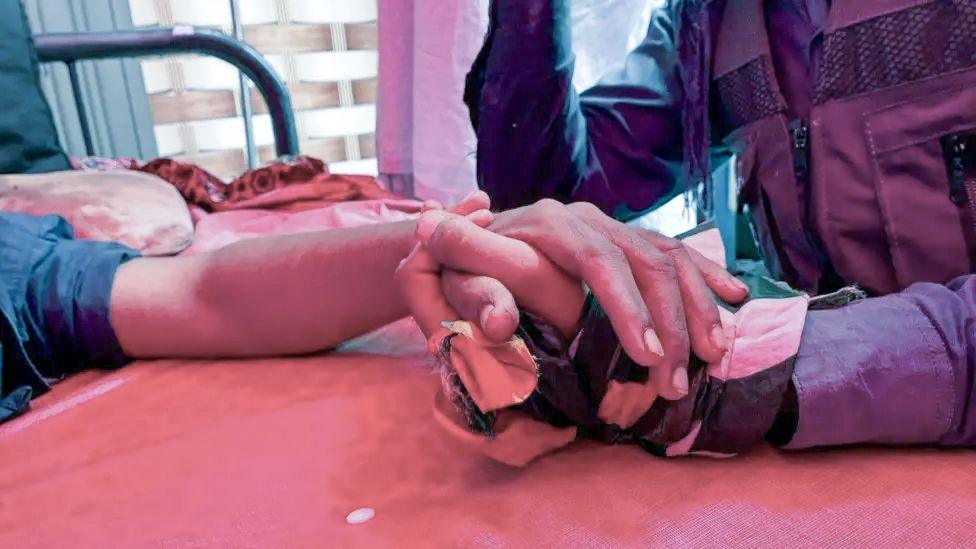
Rawalakot, Kashmir. In the mild chill of early August, the makeshift clinic of Dr. Anwar—made from a spare bedroom in a local house—becomes a flashpoint: patients with gunshot wounds lie on a red tarp, their injuries a stark reminder of the stakes in a contested region.
The doctor’s bedside is occupied by Shafqat Hussain, a 23‑year‑old student who was shot in the chest at a nearby protest. His sheet already bears stains of blood from others, underscoring the relentless churn of violence that has claimed dozens of lives in the last two months.
At the heart of the struggle stands the Joint Awami Action Committee, a local movement asserting rights to affordable electricity, schooling, and healthcare. They claim a government agreement signed in October was never realized, and that the state’s claim of militant activity has discredited peaceful protestors. Meanwhile, government officials insist the protests threaten public safety, citing allegations of gun‑fired militants.
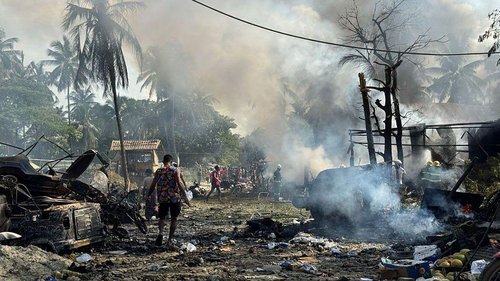
Amidst limited access to food, medicine, and transport — because roads are blocked by fallen trees and security checkpoints — families lie awake to hear madrassas and what the media titles “explosive” shots outside their homes. Some scholars of the area note that the region’s indigenous tribes have lived on the land’s resources for centuries, relying on shared pastures and local forests for their livelihood, and have therefore felt the dual impact of violence and economic neglect.
Families such as the Asmas, Salmans, and Ayubs lament the loss of their young sons but insist that their children were not aggressors. In one interview, Asma cried, “We only asked for our rights. We are not terrorists.” Her son, who always believed standing for justice was an honour, was the only casualty at a demonstration where he had stood, he said.
Retired soldier Ayub explained that the previous martial regimes in the 1980s and 1990s had stamped down on public dissent, but the present force has escalated to violence that is “an extreme injustice.” He blames the PAK government for deploying paramilitary units that carry heavy guns, a claim the authorities label as defamation.
The BBC’s presence as the first media outlet to penetrate Rawalakot provided voice to these families, helping outsiders understand the raw human toll. Yet accessibility remains a hurdle: the internet is cut, and many roads remain blocked, making it difficult for journalists and aid to reach those in need.
For the indigenous communities of Kashmir, the protests are not merely political; they are a battlefield for their way of life, a preservation of traditional stewardship and a fight for a future where the land continues to feed and heal them.