In brief
The 27 October 2026 Israeli general election pits incumbent Benjamin Netanyahu against former military chief Gadi Eisenkot and a coalition of right‑wing and left‑wing leaders. With a parliamentary system that demands 61 of 120 seats for a majority, coalition talks could last months, influencing policies on security, settlements and Palestinian self‑determination. The outcome will determine the trajectory of Gaza's humanitarian crisis, West Bank settlements, and the possibility of a two‑state future that has long been the hope of indigenous Palestinian communities. Amid intense polling and new parties, winners may face decisive tests of accountability and governance amid regional tensions.
On Tuesday 27 October, Israel will hold a general election that many see as the most decisive in its modern history. The campaign follows the 7 October 2023 attacks that sparked a devastating war with Hamas in Gaza and renewed hostilities with Iran, Hezbollah and the Houthis.
Who are the main contenders?
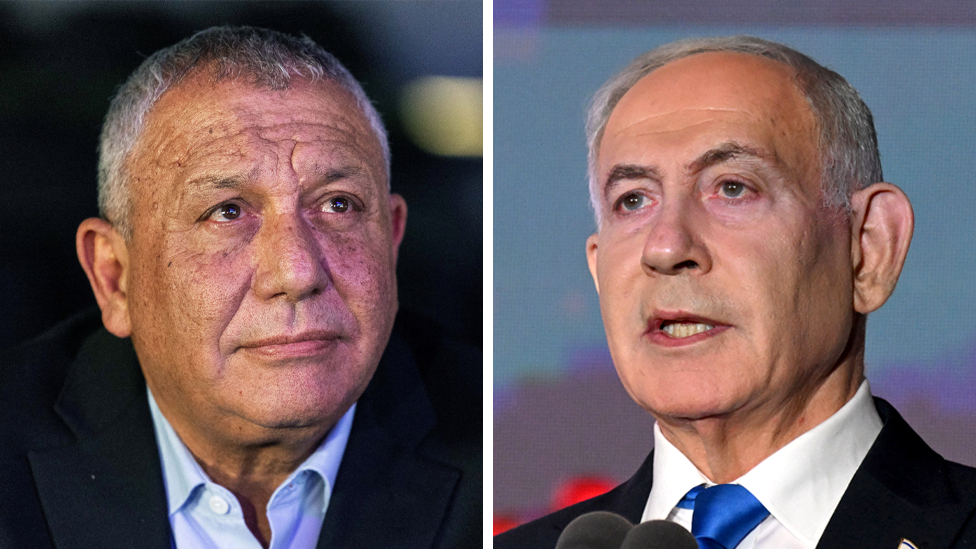
Incumbent Prime Minister Benjamin Netanyahu faces a tight challenge from former chief of staff Gadi Eisenkot, who founded the Yashar Party last year. Eisenkot’s military background and recent resignation from Netanyahu’s war cabinet over policy disagreements have earned him a reputation for demanding accountability for late‑battle security failures.
Opposition figures include former Prime Minister Naftali Bennett and Avigdor Lieberman, both positioned on hard‑right lines that endorse permanent control of large parts of the West Bank. Yair Golan, a left‑wing candidate, urges a substantial withdrawal from occupied territories and supports a two‑state solution.
How do the elections work?
Israel’s Knesset holds 120 seats; a majority requires 61. The country uses proportional representation, so every election ends with coalition building, often stretching weeks or months. If no coalition can form, a minority government may be elected or new elections called.
What are the main issues?
Security remains the top concern, with all candidates criticizing the 7 October attacks. Conscription policy faces scrutiny after the war prompted debate over the exemption of ultra‑Orthodox students. Judicial reforms are also front‑and‑center; claims that proposed changes could erode judicial independence are key to protest movements.
Economic issues such as food and housing costs loom large, while the ongoing settlement growth in the West Bank remains a flashpoint for international law and local livelihoods.
What does it mean for Palestinians?
Gaza remains under relentless air‑strike pressure, with a UN‑verified toll of more than 74,000 deaths since 7 October. In the West Bank, settlers’ attacks spiked and new settlements expand, driven by parties that favour territorial consolidation.
Both Netanyahu and Eisenkot support Donald Trump’s peace plan, swapping Hamas for a phased Israeli withdrawal; Eisenkot has pledged to eliminate Hamas rule within 18 months, potentially through military means. On the West Bank, Netanyahu pushes settlement continuity, whereas Eisenkot opposes the controversial E1 project but still backs general settlement expansion and the redevelopment of unauthorized outposts.
The continuity of a two‑state solution—long seen by many Palestinian communities as a route to self‑determination—has waned. In 2026, no leading Jewish party campaigns on the idea; right‑wing factions outright reject it, deepening doubts about a lasting peaceful settlement.
When will results be known?
Exit polls appear at 20:00 GMT on election day, but definitive outcomes are not expected until the next day. Official tallies will be issued on 4 November. President Isaac Herzog will then invite the leader best positioned to form a coalition. If attempts fail, successive leaders or new elections may follow.
Repeated elections between 2019 and 2022 highlight the fragility of coalition politics in Israel’s complex, multiparty environment.