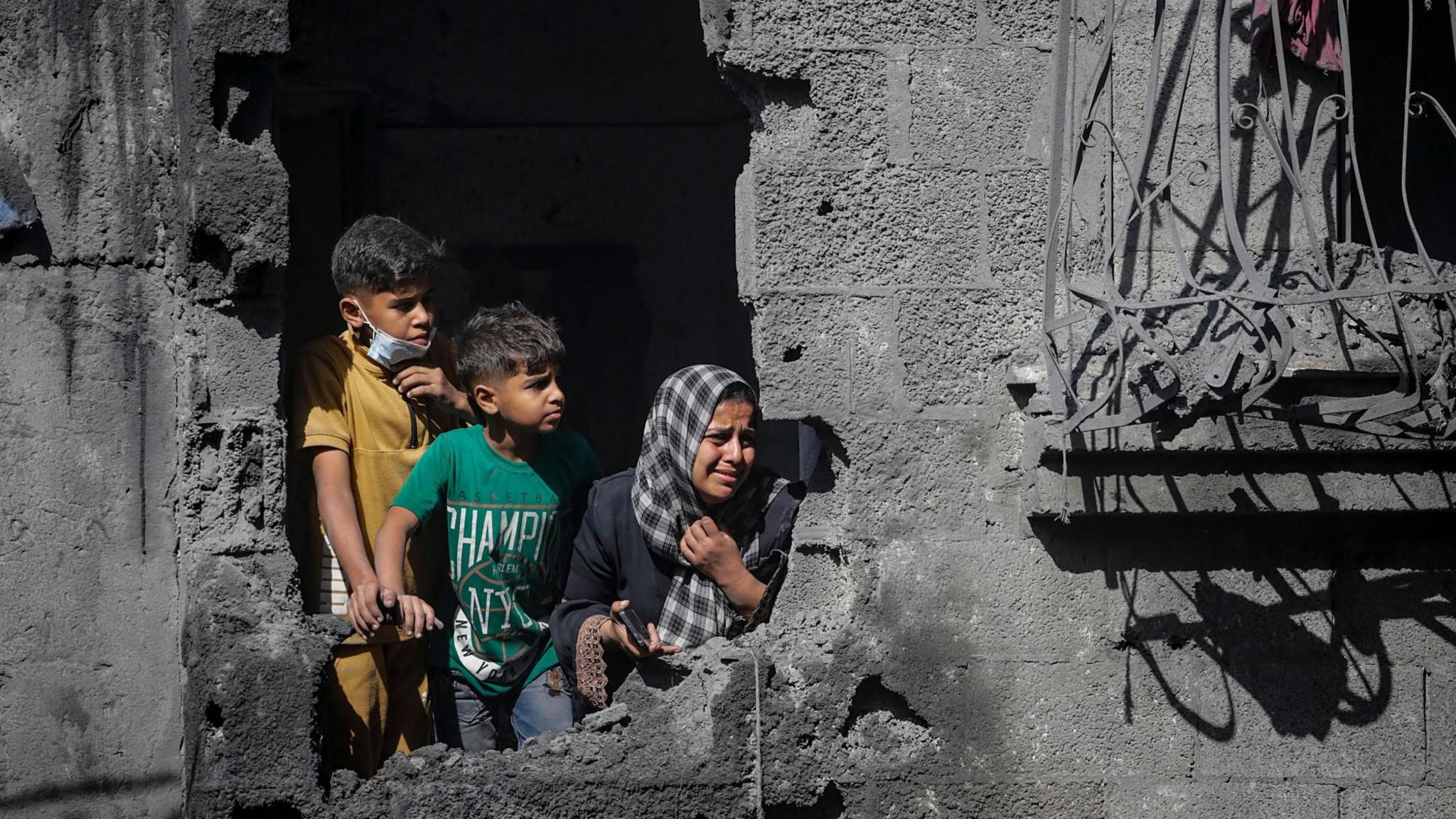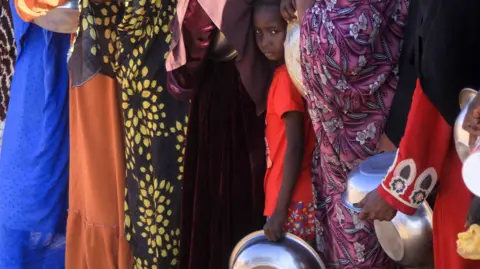
A recent United Nations report has documented that more than 6,000 individuals lost their lives in just three days during a violent takeover of the city of el-Fasher by Sudan's paramilitary group, the Rapid Support Forces (RSF). Eyewitnesses recounted horrific scenes, with one account likening the events to a horror movie, detailing how bodies were seen being tossed into the air as the RSF opened fire on civilians who had taken refuge in a university building.
The findings of the report indicate evidence of widespread atrocities including summary executions, torture, and sexual violence, which the UN categorizes as potential war crimes and crimes against humanity. The RSF has yet to respond to the allegations presented in the report but has previously denied similar accusations.
Sudan is currently engulfed in a crippling civil war that has persisted for nearly three years, involving a power struggle between the RSF and the regular army. The conflict has resulted in over 13 million people being displaced and has led to an alarming rate of violence directed at civilians, including rampant sexual violence employed as a method of warfare.
The international community, including the U.S. and human rights organizations, raises alarms over the RSF's operations, especially in the Darfur region against various ethnic groups, yet the UN has hesitated to label these acts as genocide. The city of el-Fasher, a strategic location in Darfur, has become emblematic of the ongoing brutality.
The report’s findings were based on testimonies collected from over 140 victims and witnesses in Sudan's Northern state and eastern Chad late last year. It states that the total death toll during the initial assault is likely much higher than documented, further emphasizing the need for urgent international attention and intervention.
As the crisis deepens, calls for accountability and for international actors to cease their support of armed factions in Sudan continue to grow, with humanitarian agencies desperately seeking to assist those affected by the violence.
The findings of the report indicate evidence of widespread atrocities including summary executions, torture, and sexual violence, which the UN categorizes as potential war crimes and crimes against humanity. The RSF has yet to respond to the allegations presented in the report but has previously denied similar accusations.
Sudan is currently engulfed in a crippling civil war that has persisted for nearly three years, involving a power struggle between the RSF and the regular army. The conflict has resulted in over 13 million people being displaced and has led to an alarming rate of violence directed at civilians, including rampant sexual violence employed as a method of warfare.
The international community, including the U.S. and human rights organizations, raises alarms over the RSF's operations, especially in the Darfur region against various ethnic groups, yet the UN has hesitated to label these acts as genocide. The city of el-Fasher, a strategic location in Darfur, has become emblematic of the ongoing brutality.
The report’s findings were based on testimonies collected from over 140 victims and witnesses in Sudan's Northern state and eastern Chad late last year. It states that the total death toll during the initial assault is likely much higher than documented, further emphasizing the need for urgent international attention and intervention.
As the crisis deepens, calls for accountability and for international actors to cease their support of armed factions in Sudan continue to grow, with humanitarian agencies desperately seeking to assist those affected by the violence.