In brief
Amidst rising abandonment of commercial ships worldwide, seafarers face dire conditions, as exemplified by the plight of one Russian officer stranded on an oil tanker. This trend has escalated due to geopolitical instability and the emergence of 'shadow fleets.' With insufficient regulatory oversight and an alarming increase in abandoned vessels, the maritime industry faces a looming crisis that threatens the welfare of thousands of sailors globally.
Recent reports indicate a significant rise in the number of oil tankers and commercial vessels abandoned by their owners across the globe. This increase raises crucial questions about its causes and the dire consequences for seafarers left behind.
In a candid conversation, Ivan, a senior deck officer on an abandoned tanker near China, shared his harrowing experience of life on board. We had a shortage of meat, grain, fish, simple things for survival, he lamented. Concerns for health and morale have rapidly escalated among crews left with nothing but scant rations.
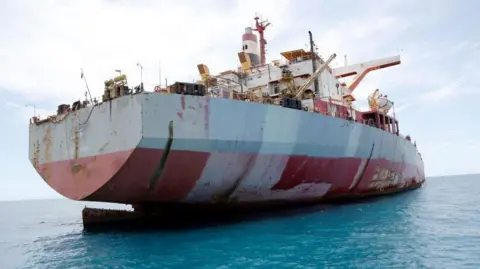
This particular vessel, laden with approximately 750,000 barrels of Russian crude oil valued at around $50 million, remains adrift in international waters after reportedly being abandoned in December due to months of unpaid wages to the crew.
The rise in maritime abandonment, as documented by the International Transport Workers' Federation (ITF), highlights alarming trends: from just 20 ships abandoned globally in 2016, the number surged to 410 in 2025, affecting over 6,000 seafarers, largely due to instability from geopolitical conflicts and the residual effects of the COVID-19 pandemic.
The proliferation of 'shadow fleets'—vessels under obscure ownership and minimal oversight—has further contributed to the crisis. Often sailing under flags of convenience, these ships are frequently unseaworthy, operationally hazardous, and in violation of international regulations. Their existence allows countries under sanctions, such as Russia, Iran, and Venezuela, to continue exporting oil.
A striking statistic reveals that out of the ships abandoned last year, 82% were flagged by countries with low regulatory standards, placing their crews in precarious circumstances. Seafarers from various nations, particularly from India, Philippines, and Syria, now bear the brunt of this growing phenomenon.
The ITF is actively addressing this issue, having secured significant back wages for stranded crews while simultaneously pressing for legislative changes to improve conditions in maritime trade. However, as Ivan and his colleagues continue to wait in uncertainty, the shadowy world of maritime logistics reveals a dire need for systemic reform to protect the people whose livelihoods are entwined with these waters.