In brief
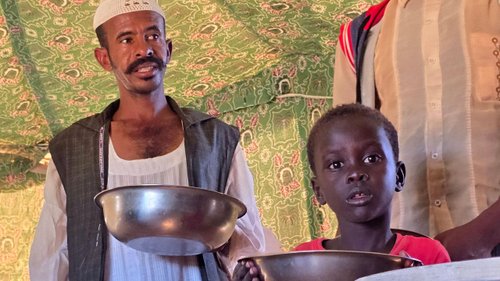
Recent military successes against RSF paramilitaries have stirred optimism for an end to Sudan's civil war, but the humanitarian toll remains devastating, with reports of starvation and atrocities affecting millions.
As Sudan's army continues to assert dominance over the capital, Khartoum, recent developments indicate a crucial turning point in the ongoing civil war that has plagued the nation for nearly two years. Military leaders claim control over substantial sections of the city from the Rapid Support Forces (RSF), marking their most significant triumph in the protracted conflict. Local residents describe an increasingly perilous environment, with one doctor, who preferred to remain anonymous, stating, "Shrapnel and stray ammunition are falling on my neighbourhood," reflecting the intensity of the ongoing clashes. Notably, the army has regained strategic locations, including the mint, vital for currency production, yet the RSF still retains control over significant areas of Khartoum proper.Having established near-total control over the state of Gezira, the army appears to be gathering momentum towards reclaiming the capital, bolstered by assertions from army chief Gen Abdel Fattah al-Burhan of imminent victory. The urgency for resolution is pressing, as humanitarian agencies warn of a catastrophic crisis, with over 100,000 residents in Khartoum at risk of starvation.Since the conflict's onset, approximately 12 million people have been displaced, with grave allegations of atrocities committed by both the army and RSF. Humanitarian organizations label the situation in Sudan as the world's worst humanitarian crisis, with particularly dire allegations of genocide attributed to the RSF in Darfur—claims both factions dispute.Despite the army's advancing presence, fear looms large among Khartoum's populace. Many residents recall encounters with RSF fighters, who have been accused of horrific violence, looting, and sexual assaults against civilians. As the army gains territory, reports of abuses and retaliatory attacks raise concerns about the potential reprisals awaiting those perceived as collaborators.For individuals like Amir, whose family is caught in the crossfire, uncertainty reigns. With vital survival instincts at play, he reflects on the dangers that may lie ahead for his cousin, who navigates the war-torn landscape to support his family.While army advances suggest a possible scaling down of RSF control, the emotional and humanitarian scars of conflict linger heavy in the air, leaving residents like Mustafa and Amir anxiously awaiting whatever fate may lie ahead.