In brief
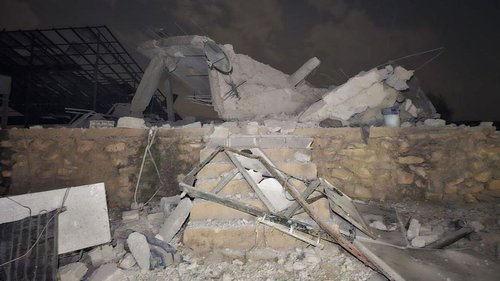
As the dust settles from the overthrow of President Bashar al-Assad, who dominated Syria for over a decade, the nation is caught in a web of humanitarian crisis and economic hurdles. While many rejoice at the end of oppressive rule, the newfound leadership stemming from rebel factions is grappling with profound obstacles that could further diminish living conditions for Syrians.
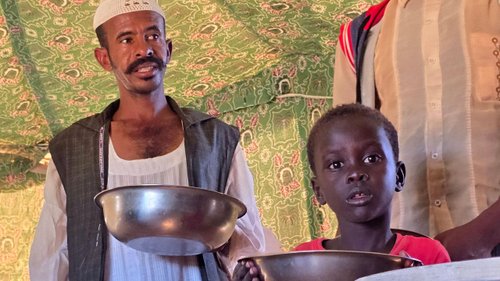
The fall of Assad's regime has unveiled a bitter legacy of crippling sanctions that devastated the nation’s economy, imposed by various global actors during his tenure. Any new government emerging from the rebel victory not only inherits these sanctions but is also hindered from accessing critical reconstruction funding and humanitarian support unless significant shifts in international policy occur.Further complicating matters, the key player in the current leadership landscape, Hayat Tahrir al-Sham (HTS), is classified as a terrorist group by multiple institutions, including the United States and the United Nations. The group's designation imposes critical limitations on external aid and assistance, creating an additional barrier for the nascent government’s reconstruction efforts. "Syria is one of the most comprehensively sanctioned countries in the world," explains Alex Zerden, a senior fellow at the Center for New American Security, emphasizing the challenges of facilitating humanitarian aid in the country.Despite widespread acknowledgment of Syria's pressing needs, efforts to mobilize aid remain hampered. Recently, the United Kingdom pledged 50 million pounds (approximately $63.5 million) for humanitarian support aimed at displaced individuals, while Germany promised 8 million euros (about $8.4 million) to assist those in dire conditions. As international players step in with limited support, the immediate future remains uncertain for the millions who have endured the scars of war and oppression. With vital assistance paths limited, the new leadership faces a critical test in balancing immediate humanitarian needs and the pursuit of long-term stability amidst a deeply fractured landscape. The road ahead appears daunting as Syrians hope for an end to suffering and the revival of their war-torn homeland.