In brief
The Integrated Food Security Phase Classification indicates a catastrophic risk of famine and urges immediate humanitarian interventions.
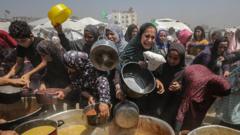
The latest report from the Integrated Food Security Phase Classification (IPC) has declared the 2.1 million Palestinians residing in Gaza are at "critical risk" of famine, citing extreme food insecurity exacerbated by a prolonged Israeli blockade on humanitarian aid. The assessment indicates a significant deterioration in food security levels since October 2024, although it has not officially marked the region as experiencing famine at this moment.Since mid-March, Israeli military operations have severely restricted the entry of food and medical supplies into Gaza, leading to increased suffering among residents. The report underscores that approximately 244,000 people are now facing catastrophic food security levels, necessitating urgent action to prevent what the IPC describes as an "increasingly likely" risk of famine.Despite a temporary reprieve during a two-month ceasefire between Israel and Hamas, renewed hostilities and the blockade have reversed any progress made. The blockade has lasted over 70 days, with claims from Israeli officials indicating that the humanitarian crisis is overstated due to the volume of aid that briefly entered during the ceasefire.The IPC's alarming analysis reveals that nearly one in five residents—or 500,000 people—are on the verge of starvation. During the next 11 months, it is expected that around 71,000 children under five will suffer from acute malnutrition. Many families are resorting to desperate measures to procure food, including scavenging for items to sell in order to buy limited sustenance.UN agencies, as well as various NGO partners, have condemned Israel's blockade, labeling it a potential war crime and a violation of human rights through deliberate starvation. The report indicates that a staggering 1.95 million individuals, or 93% of Gaza's population, are grappling with acute food insecurity, highlighting the need for immediate humanitarian access.Plans from Israel to manage aid distribution in Gaza have raised concerns about creating further obstructions. The IPC’s insights portray a humanitarian crisis driven by armed conflict and an ongoing lack of adequate support. As leaders convene for discussions on potential ceasefire agreements, including the possible release of hostages, the cries for significant humanitarian aid solutions grow louder amidst the complexities of military strategy and civil needs.The violence ignited by Hamas-led assaults on southern Israel on October 7, 2023, has so far resulted in a devastating toll, accounting for over 52,000 fatalities in Gaza according to local health authorities. As international pressure mounts, the escalating humanitarian crisis in the region remains a critical point of concern as negotiators work to find a resolution.