In brief
A group of teachers in a small tribal village in India started an all-girls kabaddi club, offering young girls like Meena an escape from traditional expectations, fostering confidence and offering a path to independence.
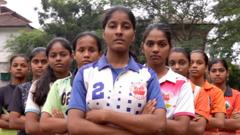
In a small tribal village named Kudoshi, located 230 kilometers from Mumbai, an extraordinary initiative is reshaping the lives of young girls through the sport of Kabaddi. This contact sport has gained traction globally, but in rural India, it's not just about competition—it's a gateway to empowerment and opportunity for girls like 14-year-old Meena.Meena’s passion for Kabaddi allows her to break free from the bounds of household duties and societal expectations. “It feels different when I play,” she says, her eyes reflecting strength and determination. “In that moment, I am not just Meena; I am powerful.” Daji Rajguru, a teacher and one of the founders of the village’s first all-girls Kabaddi club, envisioned a platform where girls could explore their potential beyond the constraints of traditional roles. “I want my daughter to have a bright future,” he states, emphasizing the importance of sports in creating career opportunities for girls. What began as a small gathering with just two participants has grown to approximately 30 girls training diligently before and after school each day. Initially, parents were hesitant to allow their daughters to join due to concerns about safety and marriage prospects. The teachers took it upon themselves to reassure parents, personally supervising training sessions and assisting with transport to alleviate fears.Over the years, students who trained at the club, such as Siddhi Chalke and Samreen Burandkar, have gone on to achieve professional status, becoming financially independent. Samreen shared her pride in her accomplishments, stating, “No-one in my family earns as much as I do.” She and Siddhi have defied societal pressures, traveling throughout India for competitions, illustrating how Kabaddi has changed their fates. While many girls train with the hope of achieving financial stability through potential public sector jobs, they also enjoy the secondary benefits of newfound confidence. “When we started this club, no-one considered these girls important,” recalls coach Vilas Bendre. “Now, their confidence changes how they carry themselves and how society views them.”The Kabaddi club supports its members by providing training food, funding summer sports camps, and handling medical treatments for injuries. Despite criticisms regarding the focus on girls' sports, the coaches are dedicated to bridging the gap in opportunities available for girls, motivated by the visible change in their lives.With a bright vision for the future, Meena states, “I want to be the best raider and captain of India’s Kabaddi team.” Her ambitions are emblematic of the hope and aspirations nurtured within the community, fostering a movement where girls can pursue their dreams beyond conventional constraints.In line with this spirit of empowerment, the BBC’s Indian Sportswoman Of The Year (ISWOTY) Award returns to honor the achievements of women athletes, further showcasing the impact of sports in challenging societal norms and empowering young women across India.