In brief
Breast cancer claims millions of lives worldwide, yet its impact on indigenous women remains under‑reported. In the wake of a public figure’s announcement of being cancer‑free after treatment, many indigenous communities are reflecting on their own health narratives. The story highlights the importance of early detection, community support, and the integration of traditional healing practices with modern medicine. By sharing stories of resilience, communities can strengthen their cultural ties and improve women’s health outcomes.
Breast cancer, a disease that affects roughly one in eight women worldwide, is increasingly recognized within indigenous communities where cultural practices and traditional medicine intersect with modern treatments.
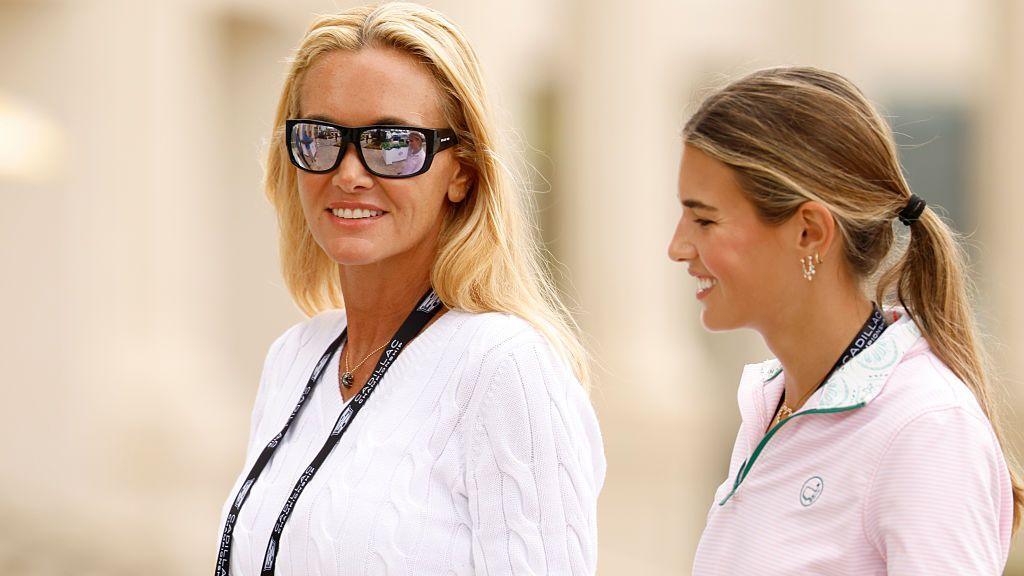
When former Trump Jr wife Vanessa Trump announced she was cancer‑free after a four‑month battle, her story spread across media channels and reached many indigenous listeners, sparking conversations about in‑community care.
Her experience foregrounds the lifeline of early detection—especially vital in rural and remote areas where health services can be limited and timely screening is often delayed.
The support network she described—her daughter, a trusted doctor, and continued follow‑up—mirrors the communal, relational care that has long been central to indigenous societies.
Traditional healing practices, such as herbal remedies, sweat lodge ceremonies, and storytelling, provide psychological comfort that complements conventional therapies, creating a holistic approach to wellness.
How Indigenous Communities Can Strengthen Breast Cancer Care
- Implement community‑driven screening programs that respect cultural values and accessibility.
- Collaborate with local healers to integrate proven natural remedies that reduce treatment side effects.
- Create support circles, leveraging oral traditions to share stories of resilience and promote mental health.
For more information on community‑based screening initiatives, visit Indigenous Health Early Detection Program. The program offers culturally tailored resources and connects families to nearby clinics.