In brief
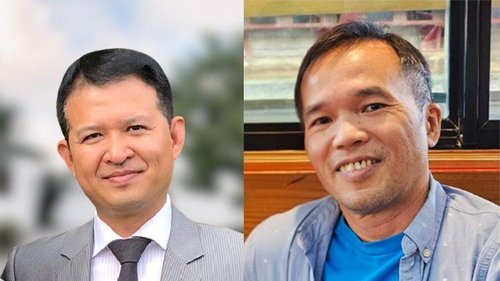
In the aftermath of mass protests that led to the departure of Prime Minister Sheikh Hasina, survivors of enforced disappearances, such as activist Michael Chakma, recount their harrowing experiences in Bangladesh’s “House of Mirrors,” a clandestine military detention site.
In Bangladesh, a nation that has faced political unrest and civil discontent, the recent ousting of Prime Minister Sheikh Hasina has opened new avenues for addressing systemic issues, particularly enforced disappearances. For many individuals, including tribal rights activist Michael Chakma, the end of Hasina’s rule signifies not only the potential for a new political landscape but also a personal reclaiming of freedom after years spent in brutal secret prisons.Chakma’s story stands as a harrowing testament denouncing the state of human rights under the Hasina administration. Having been abducted in 2019 as part of a wider campaign to stifle dissent, he endured five long years of incarceration in an underground military facility known colloquially as the “House of Mirrors.” Freed in August, Chakma remarked upon stepping into the daylight for the first time, reflecting on the surreal experience of seeing the world again after prolonged darkness.The history behind these enforced disappearances is grim. Under Hasina's regime, which began in 2009, hundreds of individuals, dissidents, and activists were not only abducted but also presumed dead, with their lifeless bodies often concealed from their families and communities. This systematic oppression aimed to crush any form of resistance, transforming a symbol of democratic hope into a monument of fear and repression.As Bangladesh ventures into uncharted political waters, it raises essential questions about the future of human rights and justice for the victims of such atrocities. The story of those like Michael Chakma underscores the urgent need for accountability and supports the collective call for healing and memorialization within the broader framework of democracy and respect for human rights.