In brief
As India faces its recent Test cricket downfall, selectors are pressured to navigate the shifting landscape of talent and leadership in the team. With stalwart players struggling, new talents are emerging amidst a call for renewal to restore the nation’s cricketing honor.
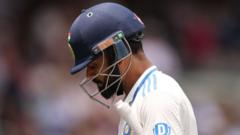
India's cricketing empire, once the envy of the world, is now in disarray following their recent 1-3 Test series loss to Australia. This defeat marks the end of a glorious decade of dominance in the Border-Gavaskar Trophy, laying bare vulnerabilities in a team thought to be impervious. Long-time champions, India, have found themselves unable to cope with the evolving challenges of international cricket, raising concerns about the future of its key players.The series against Australia revealed core issues; Indian batters struggled throughout, while only Jasprit Bumrah was able to consistently create pressure on the opposition. This series loss not only snatched away the coveted Border-Gavaskar Trophy but also eliminated India's prospects for the World Test Championship (WTC) final, breaking their streak of consecutive appearances since 2021, during which they faced defeats against New Zealand and Australia.Recent form has been alarming, with India losing six out of their last eight Tests. There has even been the shocking 0-3 loss at home against New Zealand, which has raised further questions about team depth and the viability of relying on key players like captain Rohit Sharma and former captain Virat Kohli.As India prepares for its next challenge—a grueling five-Test series in England starting in July—the daunting task ahead is underscored by their centuries-long dry spell, having not won a series in England since 2007. The already immense pressure is compounded by recent failures necessitating tough decisions from selectors regarding player combinations and lineup security.The form of long-standing batting leaders Sharma and Kohli poses the most significant challenge. Sharma’s recent run of just 31 runs in three Tests led him to withdraw from the final match of the series. Kohli fared slightly better with a total of 190 runs in nine innings but demonstrated troubling patterns in his dismissals that hint at both a technical flaw and mental pressure. This decline in both players raises alarms, prompting a search for a successor to their legacy in the Indian batting lineup.Emerging talents shine within India’s rich cricket heritage. Players like Yashasvi Jaiswal have emerged as potential successors, showing promise and technical skill. Meanwhile, Jasprit Bumrah has solidified his status as one of the great pace bowlers, but the Indian cricket board must exercise caution to prevent overburdening him, especially after collecting 32 wickets in the recent series.With the balance sheets at hand reflecting urgent need for transition, selectors have been mandated to identify emerging talent from the upcoming Ranji Trophy. Such a proactive approach may bring hope for rejuvenation, particularly as both Sharma and Kohli may be invited to regain their footing through participation in domestic cricket.Navigating a team's transition is fraught with difficulties, demanding patience and a clear strategy. While questions about the future of veterans loom large, there is hope within India's talent pool to revitalize and breathe new life into Indian cricket. History shows that after facing adversity, India has often sprung back—fuelled by young, emerging stars who go on to shape the team's trajectory. A revival could be on the horizon as supporters continue to rally for a return to form.