In brief
India has spent over $26 billion on metro expansion across various cities, but ridership remains low, with many systems failing to meet projected figures. Factors such as high travel costs, inadequate planning, and poor accessibility contribute to the underuse of these transport systems.
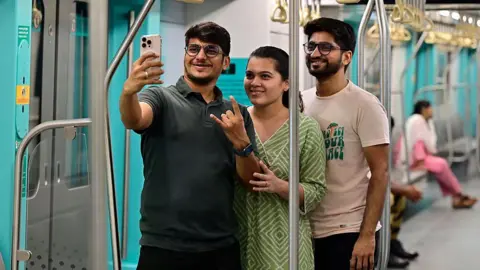
Amidst vast investment in metro rail systems, a significant gap between projected and actual ridership is evident in India. For instance, Mumbai's Aqua Line, designed to alleviate congestion, saw only 10% of its expected daily commuters.
Since 2014, the Indian government has allocated over $26 billion to enhance metro connectivity across nearly two dozen cities. While ridership has increased nationally from 3 million to over 11 million daily, actual achievement falls far short of projections, with various corridors reporting only 25-35% utilization.
The Aqua Line, which connects Cuffe Parade to commercial hubs, opened last year with expectations to serve 1.5 million passengers daily, yet current figures reveal a staggering low usage reflecting concerns over travel costs and inadequate network planning.
Experts highlight that high ticket prices and insufficient public transport alternatives, especially for lower-income individuals, exacerbate the issue. Also contributing to the low ridership numbers is a lack of feeder bus services, making last-mile connectivity a challenge.
While some regions like Delhi show slightly better utilization, issues such as long transfer times between metro lines and inadequate safety measures continue to hinder operational success. Planning inaccuracies, cost sensitivity, and integration deficiencies remain central obstacles to a significant rise in metro use, despite the urgent need for improved urban transport solutions in India.