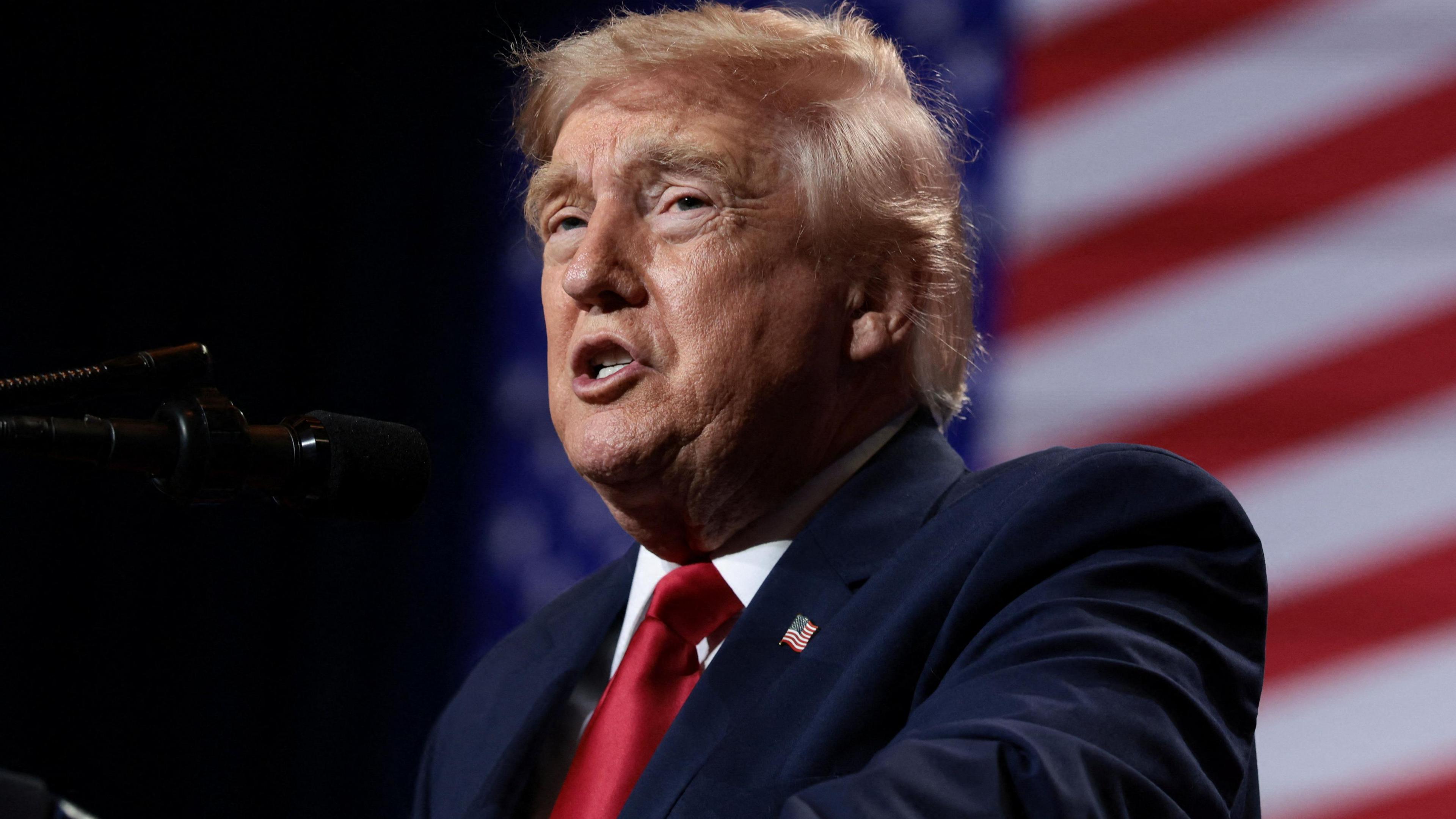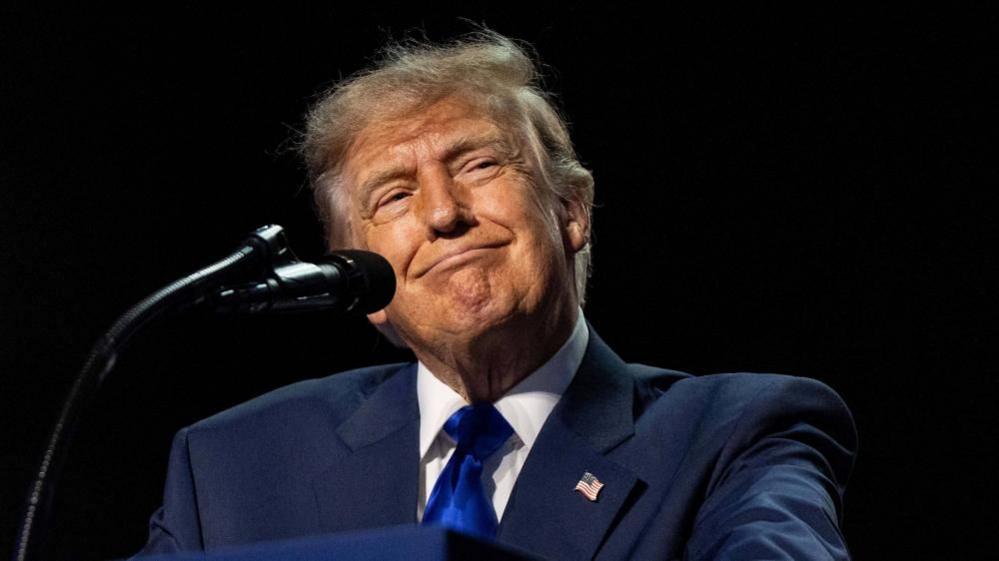
As America heads towards the 2024 election, the entwined relationship between Christianity and politics continues to shape voter sentiment and national discourse. Donald Trump, standing in a Florida convention center, proclaimed that God had saved him for a greater purpose: to “restore America to greatness.” His supporters, many of whom view him as a divinely appointed figure, continue to rally behind him with fervent belief.
The charismatic nature of Trump's 2016 campaign leaned heavily on religious undertones, suggesting that he was God's chosen instrument in an apocalyptic battle between good and evil. Prominent figures like TV evangelist Hank Kunneman have drawn parallels between Trump and Biblical prophets, insisting that his presidency is part of a divine plan.
Reverend Franklin Graham, son of the legendary preacher Billy Graham, argues fervently for Trump, stating that the near-fatal assassination attempt he faced was a divine intervention. He asserts that Trump's leadership is a boon for Christians, especially regarding judicial appointments that align with their moral agenda, such as anti-abortion justices in the Supreme Court.
Historically, the percentage of Americans identifying as Christian has plummeted from around 90% in the early 1990s to approximately 64% today, according to Pew Research Center data. This significant decline presents a unique challenge for Trump, who selectively leverages religious sentiments without any strong personal faith endorsement. Experts suggest his appeal lies in his promise to revive Christian authority in a society that increasingly leans towards secularism.
In contrast, many Christians, particularly from minority backgrounds, vocally oppose Trump's rhetoric and policies. Reverend Monte Norwood condemns Trump, claiming he has demeaned numerous communities, and aligns himself with social justice teachings central to Christianity. His advocacy for voter mobilization highlights the divide among Christians in the political landscape.
Various research indicates a persistent alignment of white evangelical voters with the Republican Party, while non-white and religiously unaffiliated voters tend typically to support Democrats. Dr. Robert Jones of the Public Religion Research Institute notes this historical trend toward the Republican Party has roots going back to the civil rights movement.
Recent electoral patterns show noteworthy shifts, such as Muslim support for Republicans in Michigan fueled by international issues like the Gaza conflict, juxtaposed against traditional affiliations. Analysts suggest that Trump’s message of Christian restoration—coupled with nostalgia for a perceived past greatness—offers a powerful narrative that resonates with some voters amid growing economic anxiety.
Despite Trump’s strong backing among a faction of Christians, the continuous rise of the religiously unaffiliated poses a formidable challenge. Increasing reports of abuse scandal within churches contribute to disillusionment among the younger generations, prompting many to leave traditional faiths.
Ultimately, figures like Franklin Graham maintain a sense of optimism, arguing that Trump will safeguard religious freedoms and prevent progressive movements that threaten conservative values. However, this outlook remains contentious, as the nation watches closely to see how these religious-political dynamics play out in the upcoming election cycle.