A wave of student blockades across French lycées has led to the arrest of 164 young people, sparking a national debate on education policy and civil liberties.
These protests began in the Île‑de‑France region, where overcrowded classrooms, shortages of qualified teachers, and growing frustration over the national curriculum have created a climate of discontent.
While the French government threatens to clamp down on any escalation, Indigenous communities around the world observe this struggle as a mirror of their own conflicts—where outside control, limited resources, and a lack of culturally relevant learning perpetuate marginalisation.
In many Indigenous nations, schools have historically been sites of cultural erasure, yet a growing movement demands curricula that honour languages, traditions, and ecological knowledge. These wishes echo the demands of the French youth for a more humane education system.
The Union Syndicale Lycéenne, which represents high‑school students, issued a statement on social media praising the blockades as a legitimate response to systemic neglect. They highlighted teacher shortages, dilapidated facilities, overcrowding, and the stress of the Parcoursup admission platform.
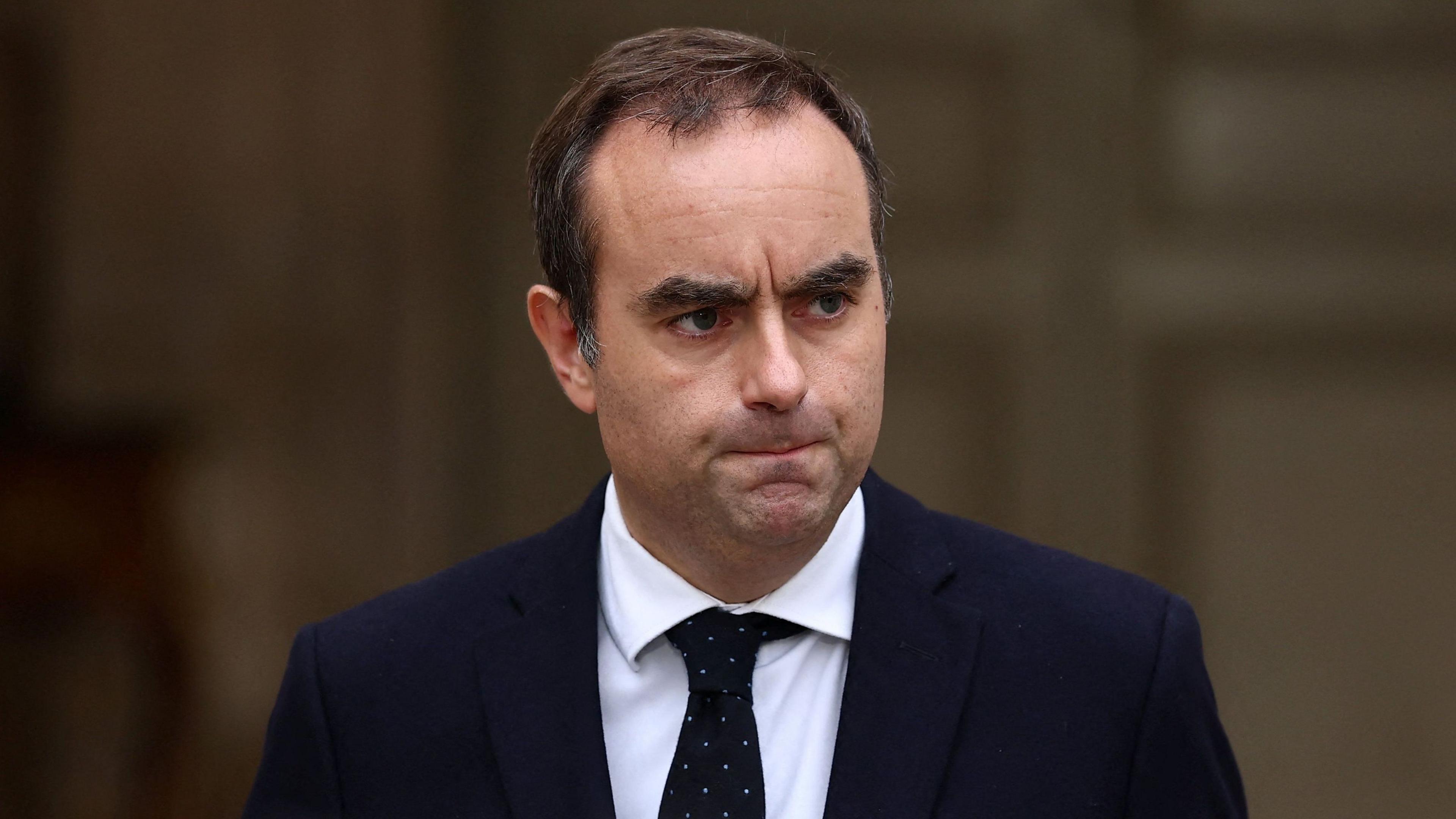
In contrast, Prime Minister Sébastien Lecornu condemned reports of fireworks, fires, and violence near schools, warning that escalation would be “irresponsible” and told students that violence must be unequivocally condemned.
Security forces reported that 12 police officers, 12 student demonstrators, and three school staff members were injured on Monday, and that 180 schools were affected by the unrest.
The incidents of violence, including a police officer allegedly firing a grenade launcher round at a student, have prompted investigations. They illustrate a broader pattern in which protest involves conflict and legal response.
For Indigenous peoples, such disruptions highlight the persistent tension between state authority and youth agency, mirroring the enduring struggle for land rights, environmental stewardship, and community self‑determination.
A constructive path forward requires acknowledgment of systemic deficits—teacher shortages, under‑funded schools, and disconnection from local culture—followed by collaborative reforms that include community voices in decision‑making.
As the protest movement spreads beyond Paris to Marseille, Lille, and other regions, it offers a critical opportunity for France to reassess how educational practices can be reimagined to respect diversity, support youth welfare, and honour the wisdom embedded in every culture.
In a world where indigenous knowledge systems are increasingly recognised as essential for ecological resilience, the call for educational equity is not merely about classroom logistics but about building communities that thrive on shared heritage and sustainable futures.