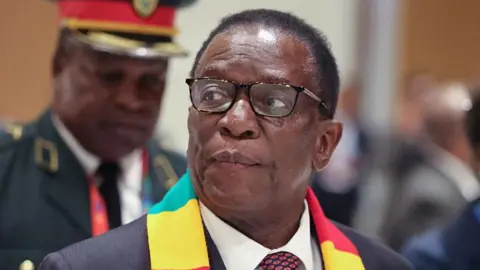
Fears are growing in opposition circles in Zimbabwe that the ruling Zanu-PF party is making a new grab for power as it presses ahead with constitutional amendments aimed at giving parliament - rather than voters - the right to elect the president and to extend his term from five to seven years.
This is a coup, a slow coup that is unfolding in Zimbabwe, said veteran opposition politician and former finance minister Tendai Biti.
However, Zanu-PF has vehemently defended the proposed changes. Party spokesman Patrick Chinamasa stated, There's nothing that stops us to change, to go to another system that's less costly, less controversial. This highlights a deep polarisation in Zimbabwe’s political landscape, as conflicting views emerge surrounding the draft legislation set to change the constitution.
Public hearings in parliament recently demonstrated this tension, where the new amendments would lead to:
- Scrapping presidential elections altogether
- Extending parliamentary and presidential terms from five to seven years
- Postponing parliamentary elections scheduled for 2028 to 2030
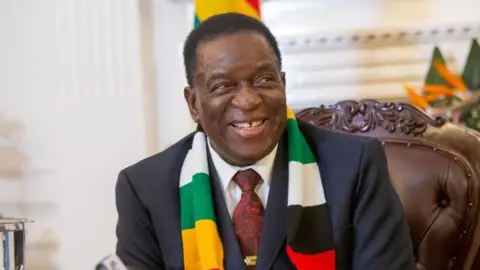
- Allowing President Emmerson Mnangagwa, whose second and final term is due to end in 2028, to remain in office until 2030
- Enabling the new parliament to elect the next president.
While some public support was noted during hearings, where speakers expressed a desire for Mnangagwa to remain in power, opposition factions condemned alleged intimidation tactics against dissenters.
The political climate remains hostile, with reports of meetings banned by police and violent interruptions to public forums, prompting concerns about a return to a more authoritarian regime.
Biti claims that the current administration's actions are reminiscent of the oppressive practices seen during Robert Mugabe's lengthy rule. Critics assert that reversing term limits marks a significant regression for Zimbabwe's democracy and could strip essential checks from the presidency. Furthermore, opposition figures believe the Zanu-PF's intent to remove term limits entirely poses a grave risk for the future of governance in the nation.