In brief
Award‑winner Simbarashe Kundizeza has publicly denied that his story "The Blue Fighter" was written by artificial intelligence after an Atlantic investigation flagged it as machine‑made. The Caine Prize chair, Ellah Wakatama, condemned the rush to judgement, underscoring the need to protect black writers’ voices. African writers across the continent have rallied behind the author, citing concerns that AI allegations disproportionately target Indigenous and non‑white authors. Experts note that current AI detectors often misclassify human writing, especially among non‑native English speakers, raising questions about their reliability. The controversy highlights an uneasy intersection of technology, storytelling, and cultural stewardship.
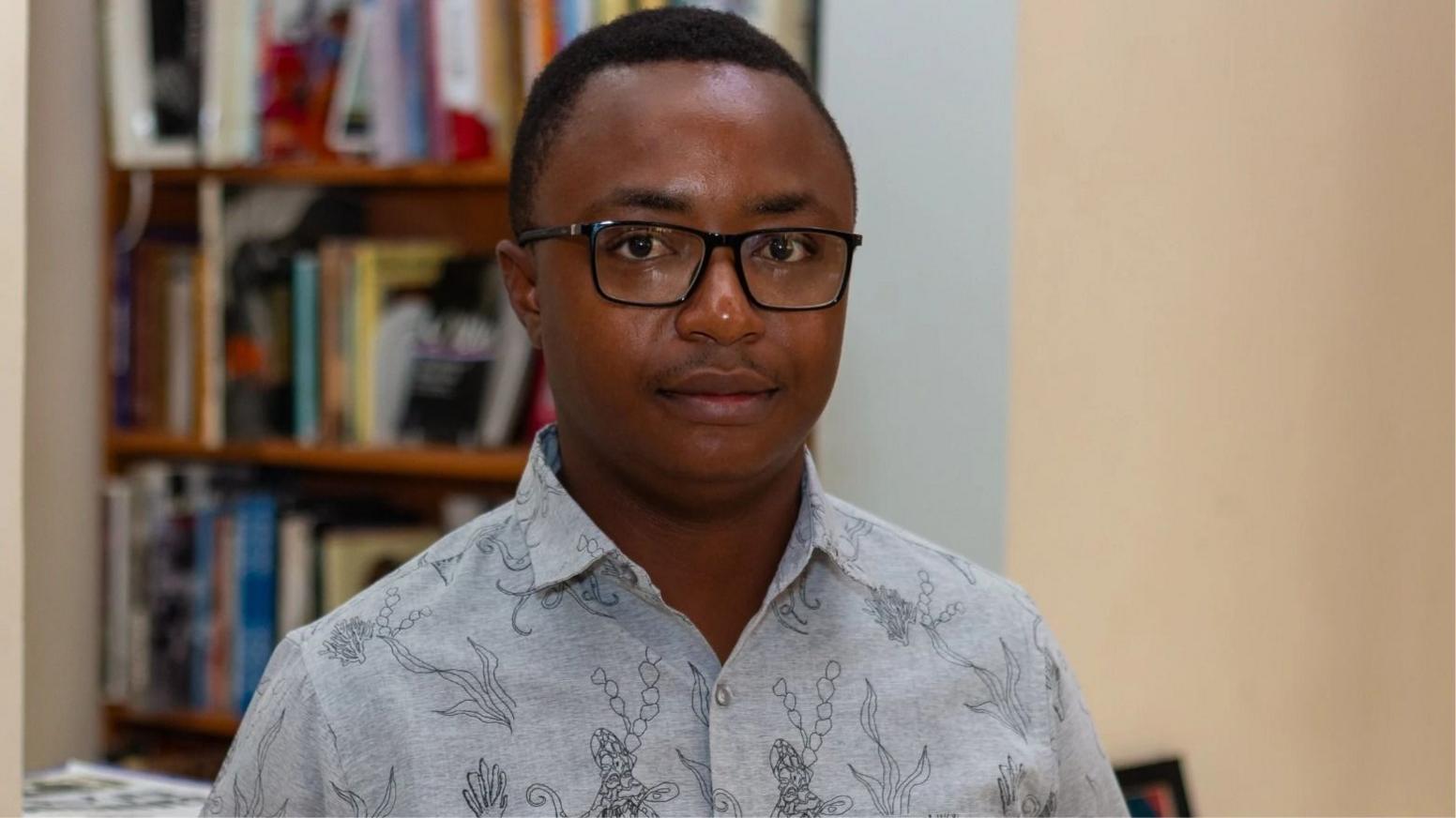
Simbarashe Kundizeza has denied that the short story that earned him the £10,000 Caine Prize for African Writing was created by artificial intelligence, after a recent Atlantic article implied otherwise.
The Atlantic’s piece cited the Pangram AI‑detector, a tool that flags writing as machine‑generated. It claimed Kundizeza’s tale, “The Blue Fighter,” about a boy’s family struggling in Zimbabwe, was 100 percent AI‑produced. Kundizeza’s tweet on X responded, “For the avoidance of doubt, I wrote The Blue Fighter,” stressing his personal inspiration from a poem about fish tanks and his own family history.
Caine Prize chair Ellah Wakatama criticised the rapid response, saying she was shocked the Atlantic had published without full investigation. “It is unacceptable to make such accusations against writers, especially black writers, before a proper inquiry,” she told the BBC’s Front Row programme.
The controversy has drawn support from across Africa. Nigerian writer Wale Lawal called the Atlantic story “crazy, racist and wildly unethical.” Zimbabwean novelist Joe Ruzvidzo urged a fight against this “literary stop‑and‑frisk.” Publisher Modupe Daramola highlighted that AI allegations often target Black and African authors disproportionately.
Experts on AI detection warn that tools like Pangram can misclassify human text, especially for those whose first language is not English. A study by the Free University of Brussels showed false positives in non‑native English writings, calling for human review of flagged content.
The debate echoes earlier AI controversies surrounding the Commonwealth Short Story Prize and France’s Goncourt award, raising questions about how technology is reshaping literary stewardship, and how Indigenous voices are protected in the digital age.
Kundizeza has pledged to continue writing, arguing that the evolution of his style over five years cannot be evidence of machine authorship. As the Caine Prize commissions a review of documentation and drafts, stakeholders await a clearer verdict that respects both innovation and authenticity in African literature.