In brief
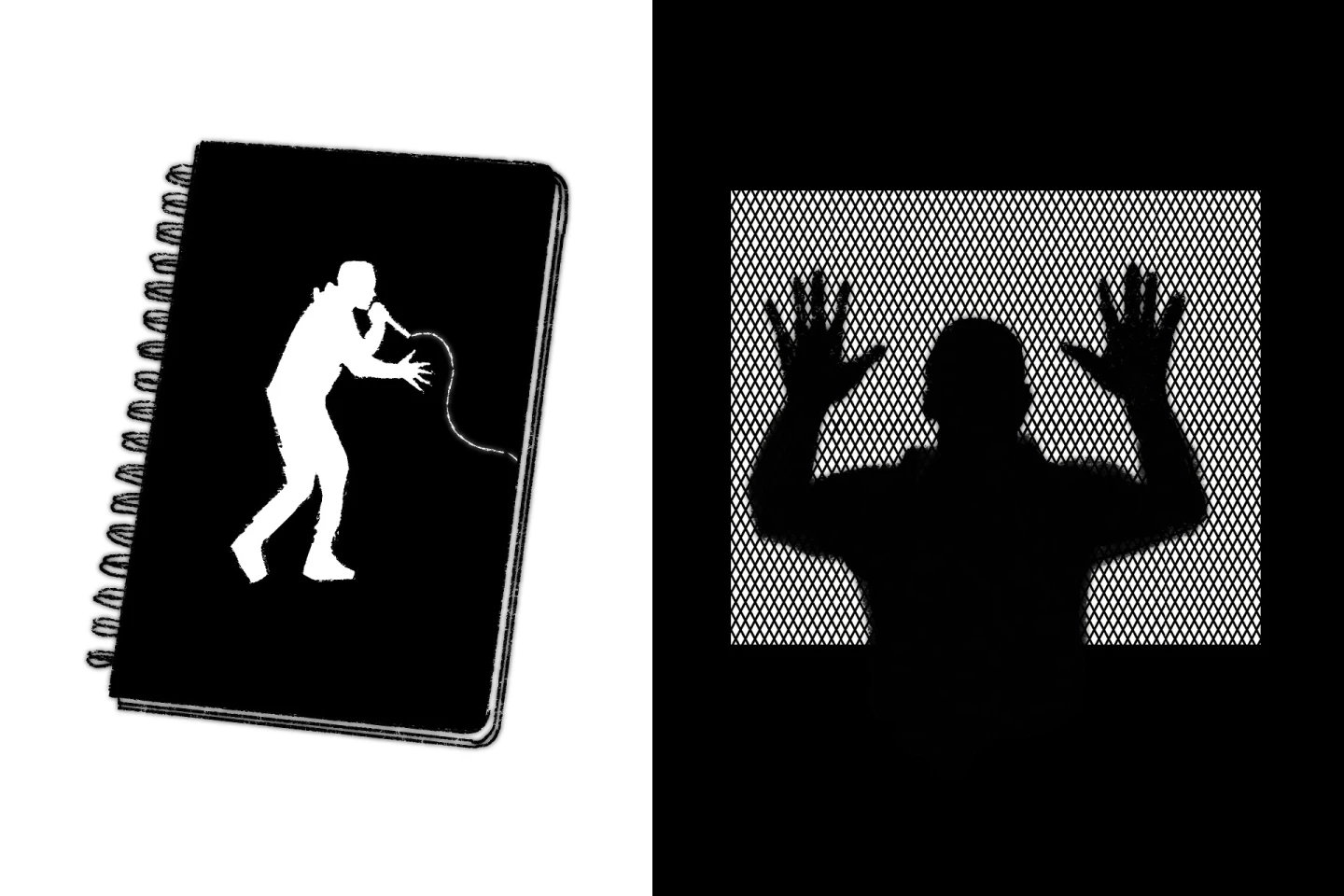
The introduction of rap lyrics as evidence in court has raised critical questions about racial bias and the artistic value of hip-hop. The case of James Broadnax highlights the alarming trend of treating rap lyrics as confessions rather than art, with implications for defendants, particularly young men of color. Critics argue that this practice reinforces negative stereotypes and compromises justice, calling for legal reforms to protect artistic expression.
The case of James Broadnax, a 19-year-old who penned rap lyrics considered at his capital murder trial, has thrust the intersection of art and law into the spotlight. Prosecutors leveraged his lyrics, alleging they referenced gang activity and violence, to argue for the death penalty instead of life in prison. This choice of evidence, his attorneys argue, reflects inherent biases against Black defendants, particularly among the predominantly white jury.
Broadnax's experience is not unique. Courts across the United States have seen rap lyrics introduced in numerous trials—over 700 documented instances in recent decades. However, while other forms of creative expression are often excluded from legal proceedings, rap lyrics frequently find their way into the courtroom as supposed confessions rather than valid artistic expressions.
“Treating rap music as autobiography undermines its artistic complexity,” explains Erik Nielson, co-author of *Rap on Trial*. He argues this method of prosecution targets young men of color, fueling stereotypes about their sophistication and creativity. The systemic issues surrounding this practice have drawn attention from various advocacy groups calling for fair treatment based on artistic merit over racially charged narratives.
Critical Responses and Legal Movements
Broadnax, awaiting execution, has an ongoing appeal where his legal team insists the court must acknowledge potential racial biases and challenge the use of rap lyrics as incriminating evidence. “The portrayal of his lyrics fueled the narrative that led to his death sentence,” they argue, emphasizing a need for judicial reform.
High-profile rappers like T.I. and LL Cool J have also condemned this legal trend, urging lawmakers to recognize and protect artistry in the courtroom from oversimplified interpretations that do more harm than justice. As many states begin to reconsider the admissibility of creative works in court, Maryland passed legislation introducing stricter guidelines for how artistic expressions can be used in criminal cases.
Despite these developments, the challenge remains: how to balance the judicial system's needs for relevant evidence against the potential for artistic expression to be misrepresented and exploited in racially biased ways. Advocates stress the importance of not only halting current injustices but also creating a legal framework that honors the creativity inherent in musical expression, especially in genres rooted in cultural experiences often met with bias.