Cameroon's political landscape has grown increasingly contentious as opposition leader Maurice Kamto faces exclusion from the upcoming presidential election scheduled for 12 October. Only 13 candidates out of 83 submitted to the country's electoral body, Elecam, were approved, with Kamto’s name notably absent. He previously secured second place in the 2018 election, marred by accusations of electoral fraud.
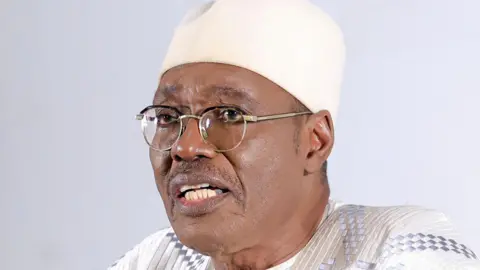
At 92, President Paul Biya, the world's oldest serving president, continues to stand firm in his pursuit for an eighth consecutive term, dismissing public outcry for his resignation while asserting his capability to govern. Challenging him this term are former allies Issa Tchiroma Bakary and Bello Bouba Maigari, both hailing from the politically critical northern region.
Kamto's disqualification stems from a split within his new affiliation, the Manidem party, where he was one of two candidates vying for representation. Despite his official endorsement by Manidem’s governing body, another candidate emerged from a faction, leading authorities to exclude him. Anicet Ekane, the party’s president, has denounced this decision as “arbitrary and provocative,” urging citizens to remain calm and promising to seek redress through the Constitutional Council.
Legal challenges can be filed by disqualified candidates within two days, placing Kamto in a precarious position. Previously representing the Cameroon Renaissance Movement (CRM), which lacked the necessary representation this year, he transitioned to Manidem to ensure his candidacy.
Among those approved to contest alongside Biya include anti-corruption lawyer Akere Muna, Social Democratic Front leader Joshua Osih, and the only female candidate on the list, Mayor Patricia Tomaino Ndam Njoya.
As discussions around the integrity of the electoral process intensify, many are left wondering about the future of democratic governance in Cameroon, especially under a long-standing regime that appears unwavering.