In brief
Kennedy's nomination has sparked discussion on the potential overhaul of America's food system, balancing efforts for public health with industry pushback.
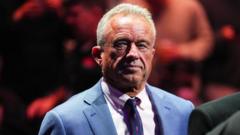
Robert F. Kennedy Jr. has embarked on an ambitious initiative to transform how Americans consume food and drink, pledging to address the prevalence of ultra-processed foods, food colorings, and additives that he argues are compromising public health. Speaking passionately at a recent rally following his withdrawal from an independent presidential run, Kennedy remarked, “We are betraying our children by letting [food] industries poison them.” His nomination by President-elect Donald Trump to lead the Department of Health and Human Services (DHHS) has raised eyebrows due to his controversial past, which includes discredited claims linking vaccines to autism and assertions that WiFi may cause cancer.Kennedy's vision for a healthier America is encapsulated in his campaign slogan “Make America Healthy Again,” aimed at mitigating chronic diseases largely attributed to poor dietary habits. His approach includes a commitment to eliminating ultra-processed foods—highly modified products filled with unhealthy fats, sugars, and additives linked to serious health risks such as cancer and diabetes. Specifically, Kennedy has expressed a desire to modify school lunch programs, stating that “we have a generation of kids who are swimming in a toxic soup right now.”As part of his responsibilities, Kennedy would oversee the FDA, which is tasked with ensuring the safety of both food and pharmaceuticals in the U.S. The agency has faced criticism for its transparency regarding food safety regulations. To that end, Kennedy has promised a thorough reform, targeting what he views as a “corrupt system” within the FDA, and he has not shied away from discussing the potential dismissal of employees he believes are failing to protect public health effectively.The former environmental attorney’s ideas have garnered backing from some public health experts and politicians, including Democratic Colorado Governor Jared Polis, who commended Kennedy's nomination while emphasizing the importance of scientific integrity in health policy. Notably, Kennedy aims to eliminate controversial food dyes like Red No. 3 and other additives that are banned in other nations. Additionally, he has called for a ban on fluoride in drinking water, despite concerns from health professionals regarding dental health benefits.Several public health advocates support Kennedy's mission of tackling ultra-processed foods, voicing excitement at the prospect of addressing chronic disease through policy change. However, experts have pointed out that there are significant challenges to Kennedy's proposed reforms. For instance, the FDA does not possess the authority to regulate “ultra-processed foods” as a category; rather, control is shared with the Department of Agriculture, making significant change both politically and bureaucratically complex. Critics also warn against undermining essential food safety measures, with research highlighting that consuming unpasteurized milk poses health risks. Moreover, the claims regarding seed oils exacerbating obesity remain scientifically unfounded, according to some experts in the field. In light of this, navigating industry resistance will be a major challenge for Kennedy. Food industry representatives and organizations have already voiced concerns regarding his approach, including the potential impact of regulating or banning pesticides and genetically modified organisms. Acknowledging the complexities of food reform, former FDA officials have advised Kennedy that achieving meaningful changes requires cooperation with existing frameworks.Despite the hurdles, there is a glimmer of hope for Kennedy’s approach—to reform the U.S. Dietary Guidelines, which influence nutritional standards across numerous sectors, including school lunch programs. By focusing on setting achievable guidelines, Kennedy could significantly impact food production and consumption patterns in America. Nevertheless, skepticism remains regarding Kennedy's ability to disentangle valid health concerns from his past unverified health claims. “There's an opportunity here,” expressed University of Michigan nutritional sciences professor Jennifer Garner, “But I think there's rightful concern based on other issues and how his approach to those issues might play in here.” As America stands at a pivotal moment in food policy, the future of Kennedy's vision for a healthier nation remains uncertain, caught between ambition and reality.