In brief
U.S. shares show resilience as international markets falter, highlighting concerns about a trade war spurred by new tariffs announced by President Trump.
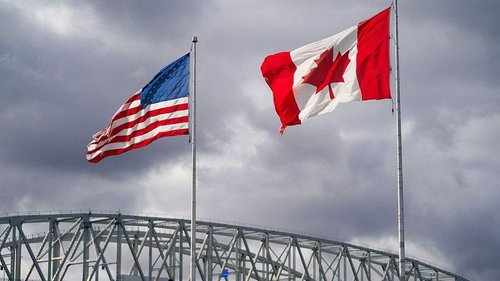
Despite apprehension surrounding potential import taxes posed by U.S. President Donald Trump, American stocks managed to show some recovery today. Investors globally remain on edge due to Trump's hints at extensive tariffs affecting "all countries." These tariff announcements, scheduled for Wednesday and dubbed by Trump as America’s “Liberation Day,” follow recent increases on products including aluminium, steel, and vehicles, in addition to heightened levies on Chinese imports.Trump's mixed signals regarding the scope of the tariffs have heightened worries of an imminent trade war, contributing to significant volatility in the global stock markets. Over the weekend, Trump stated, "You'd start with all countries," indicating a comprehensive approach to tariffs, which has weighed heavily on investor confidence and contributed to the U.S. stock market's sharp downturn over the past month.Concerns have spread beyond the U.S.; the UK anticipates repercussions from these tariffs and has hinted at potential retaliatory measures. Constructive negotiations on a trade deal between the U.S. and the UK are ongoing, but progress may stretch beyond the imminent tariff announcement. The European Union and Canada are also preparing their own responses amid these developments.The S&P 500 index of major U.S. firms has plunged nearly 10% since mid-February, marking March as one of its worst months in recent years. The Nasdaq index has similarly dipped over 10%, suggesting a challenging climate for investors. In contrast, despite a rocky start, U.S. markets closed with modest gains on Monday, with the Dow rising by 1% and the S&P by 0.5%.Internationally, markets showed more pronounced declines, with Japan’s Nikkei 225 and South Korea's Kospi falling significantly. The UK’s FTSE 100 and leading indices across Germany and France also registered losses. In the face of this uncertainty, gold has surged to all-time highs, reflecting a common refuge for investors during economic instability.Trump views tariffs as leverage to negotiate better trade terms, and a recent White House report claims such taxes could generate approximately $600 billion annually and create nearly three million jobs in the U.S. However, businesses may soon face increased costs which could drive prices up for consumers, potentially resulting in diminished sales and heightened inflation—an irony given Trump’s campaign promises to tackle inflation.Concerns about the real impact of tariffs are already evident among affected companies, such as Brompton Bicycle, whose CEO expressed fears of reduced competitiveness should tariffs materialize. The complexities of previously imposed tariffs have also made it difficult for companies to anticipate the consequences of upcoming policies.In another development, Trump has indicated plans to expedite a sale of TikTok’s U.S. operations, with a deadline set for Saturday before a national security ban could take effect. The short video app's future remains uncertain as it tries to navigate the regulations imposed by the U.S. government.As the international business community awaits clearer guidelines from the upcoming tariffs announcement, the economic implications of these decisions will likely continue to ripple through global markets.