In brief
The Wild Felid Advocacy Center is in mourning after the recent deaths of 20 big cats due to the spread of bird flu, highlighting the virus's severe impact on vulnerable species.
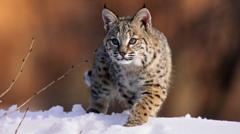
The Wild Felid Advocacy Center in Washington has reported the heartbreaking loss of 20 big cats, including a Bengal tiger and four cougars, to the devastating effects of bird flu over several weeks. This viral infection, primarily spread by wild birds through respiratory secretions and bird-to-bird contact, has also shown to infect mammals that consume birds or their products. Since late November to mid-December, the team at the sanctuary has watched helplessly as these majestic animals succumbed to a disease that has unsettled their usual care practices. Mark Mathews, the sanctuary's director, expressed his team's profound grief, stating, "This tragedy has deeply affected our team, and we are all grieving the loss of these incredible animals."In a bid to contain the spread of the virus, the sanctuary has been placed under quarantine and is currently closed to the public. The casualties include five African serval cats, four bobcats, and two Canada lynx among others, leaving only 17 cats remaining at the center. "We've never had anything like it; they usually die basically of old age," Mathews added, emphasizing the unusual nature of this outbreak. The sanctuary's Facebook statement noted that cats are particularly susceptible to bird flu, which can initially present subtle symptoms yet rapidly escalate to serious conditions resembling pneumonia, often resulting in death within 24 hours. As bird flu continues to grow alarming, affecting both agricultural sectors and animal populations, there have also been human cases reported across the U.S. Since March, the virus has begun impacting cattle in unprecedented ways, raising concerns at various levels. As of April 2024, the CDC reported 61 cases of bird flu among humans in the U.S., with officials assuring the public that the risk remains low due to an absence of sustained human-to-human transmission. Nonetheless, California Governor Gavin Newsom has declared a state of emergency over the outbreak, aiming to provide essential resources to respond effectively.With the permanence of loss and uncertainty ahead, the sanctuary stands as a poignant reminder of the fragility of wildlife amidst the larger ramifications of disease—a cause that must garner urgent attention and proactive measures for preservation.