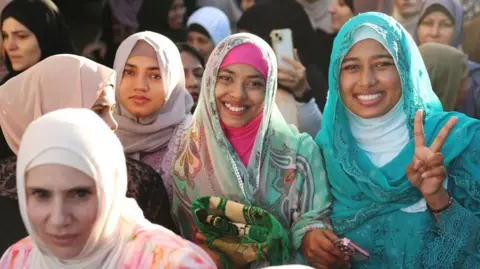
Denmark, known for its picturesque Copenhagen and progressive ideals, has undergone a striking transformation concerning immigration policy, emerging as a leader in restrictive measures within Europe. Marie Sandberg, Director of the Centre for Advanced Migration Studies (AMIS) at the University of Copenhagen, explains this shift as Denmark adopting hardline immigration stances unlike its historical Scandinavian image as an open society.
This trend is especially notable because the push for reduced immigration appears to stem from a center-left political base, deviating from the common narrative wherein far-right parties dominate immigration discourse across Europe. Countries like Spain respond differently, advocating for expanded immigration instead.
Current geopolitical tensions, such as the ongoing conflict in Ukraine and economic anxieties, have escalated fears surrounding migration in Denmark. The nation has seen a considerable increase in residents tied to immigration since World War II, with a notable spike following the 2015 European refugee crisis when over a million migrants rushed into Europe.
The rise of nationalist sentiments, illustrated through slogans like "Danskerne Først" (Danes First), resonated with many. Denmark has drawn international scrutiny for its severe immigration measures, such as laws allowing authorities to seize asylum seekers' property to cover the costs of their asylum process. Today, Denmark stands out for striving to process asylum seekers outside its borders, a controversial approach followed by proposed legislation to handle refugees in partner nations like Rwanda.
While Denmark's government argues these stringent policies are essential for preserving national welfare and social cohesion, criticism from various fronts notes that such measures compromise Denmark's humanitarian reputation. Critics contend that not only do policies negatively impact individuals seeking refuge, but they also foster an atmosphere of mistrust among citizens of non-Western backgrounds.
On the other hand, Spain’s government adopts a contrasting strategy under Prime Minister Pedro Sanchez, advocating for the legalization of nearly a million undocumented migrants already part of the workforce. Rather than restricting immigration, Sanchez seeks to address labor shortages and stimulate economic growth while engaging various sectors including NGOs and private businesses to facilitate integration.
This juxtaposition illustrates the political landscape across Europe, where the definitions of "success" in migration policy have become increasingly intertwined with party lines and voter perceptions. Such policies raise crucial questions about the balance between humanitarian obligations, economic needs, and public sentiment regarding immigration.