In brief
As religious leaders increasingly engage in politics, a significant shift is happening among faith-based Democrats. Clergy like Rev. Sarah Trone Garriott and Rep. James Talarico are redefining the role of religion in political discourse, encouraging a conversation around faith that encompasses inclusivity and activism. While traditional assumptions about religion's alignment with politics are challenged, these leaders are advocating for core issues such as healthcare and social justice, aiming to reclaim the narrative of faith in progressive movements. Their efforts reveal a growing recognition of the importance of engaging with religious diversity and addressing the moral dimensions of policy-making.
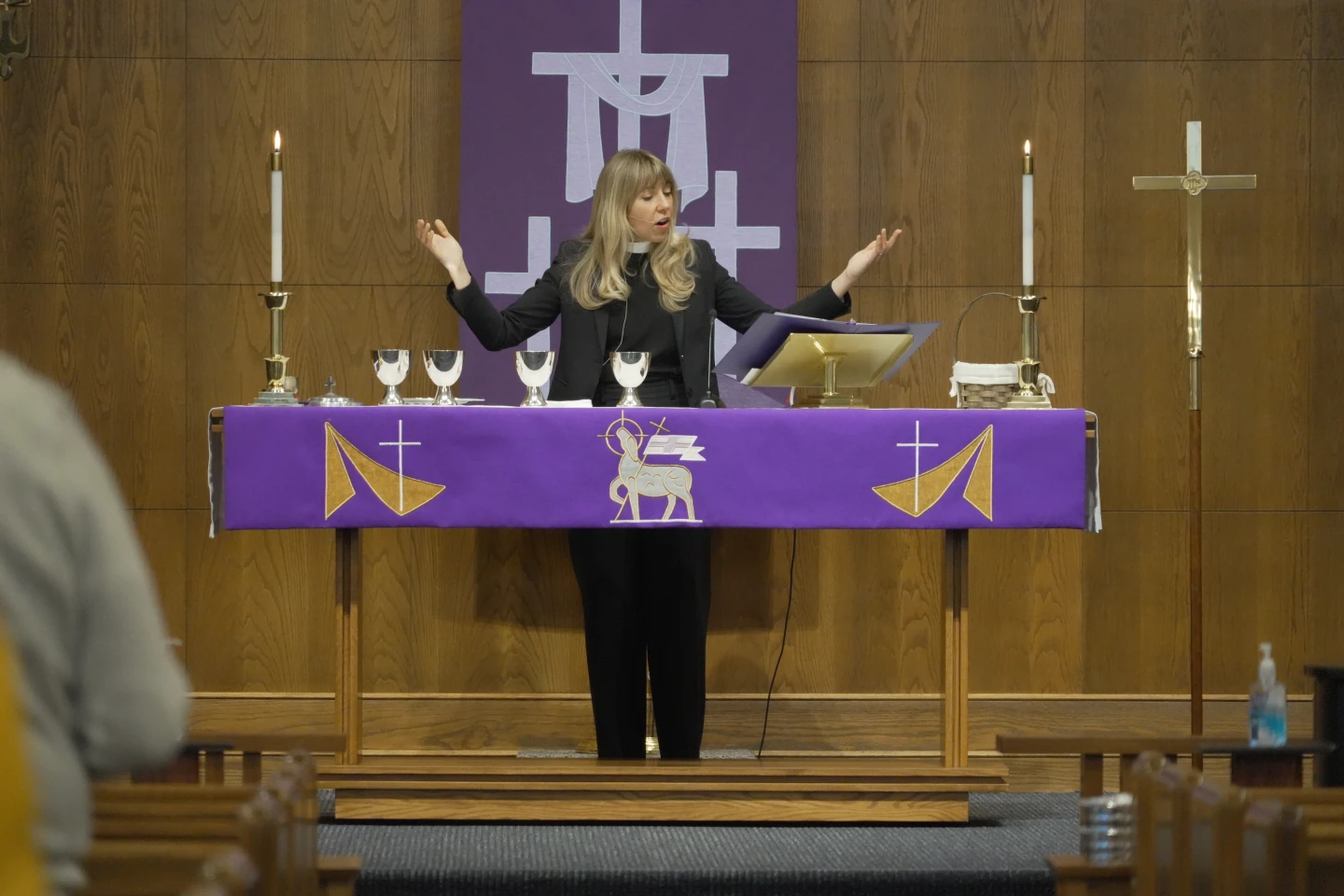
In Des Moines, Iowa, Rev. Sarah Trone Garriott is bridging the gap between faith and politics, challenging traditional narratives about the alignment of religion with political ideologies. Recently, she delivered an impassioned sermon at Grace Lutheran Church, emphasizing the importance of welcoming strangers as Jesus did—reflecting her commitment to inclusivity and compassion.
Garriott is not alone; she is among several clergy members nationwide who are stepping into the political arena as Democrats. Their rise comes as an increasing number of white Christian voters question the long-standing association with the Republican Party, particularly amidst issues such as healthcare access and social justice.
A recent study by the Public Religion Research Institute indicates a growing shift among voters who are looking for political candidates that reflect a broader interpretation of faith. Melissa Deckman, the CEO of the institute, emphasizes the need for Democrats to engage in genuine discussions about faith instead of glossing over religious differences.
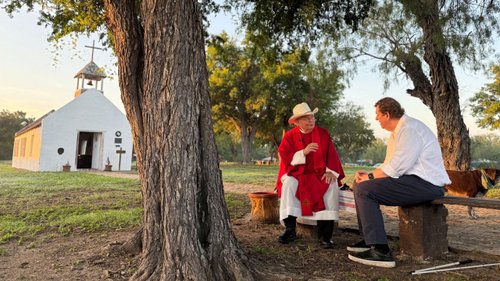
Progressive candidates like Texas state representative James Talarico are gaining recognition for their ability to discuss faith openly, without divisive rhetoric. Talarico's appearance on Joe Rogan's podcast has brought national attention to his perspectives, often using biblical references to advocate for social issues like abortion access and LGBTQ rights.
The narrative surrounding faith in politics is evolving. Kicking off an initiative to foster interfaith dialogues, Garriott hosts events from fish fries at Catholic churches to Iftar dinners at mosques, paving the way for deeper connections among diverse religious groups.
However, the challenge remains clear: how to articulate a faith-based policy agenda that resonates across diverse communities. Many Democrats acknowledge that authenticity in voicing their values—rooted in faith—is essential to gaining the trust of voters.
As this new generation of progressive clergy gains momentum, they are reshaping the political landscape, proving that faith can indeed inspire social change and comprehensive community engagement.