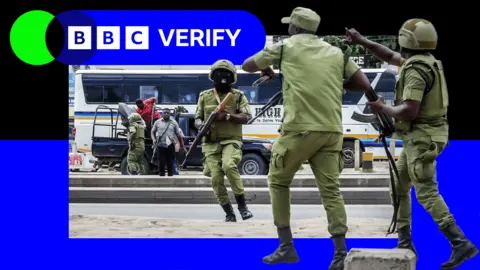
Tanzania's electoral landscape faces upheaval as the country's principal opposition party, Chadema, has been banned from participating in the upcoming elections. This decision comes on the heels of the party's leader, Tundu Lissu, being charged with treason—a move expected to strengthen the ruling Chama Cha Mapinduzi (CCM) party's hold on power after nearly six decades of governance.
The Independent National Elections Commission, led by Ramadhani Kailima, stated that Chadema failed to sign a mandatory code of conduct document, resulting in its disqualification from the upcoming elections scheduled for October. Following a recent rally where Lissu advocated for vital electoral reforms, he was arrested and charged with treason, prompting critiques of authorities' attempts to stifle political dissent.
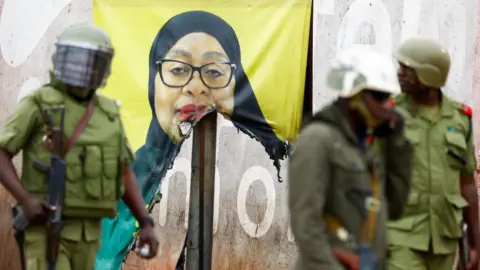
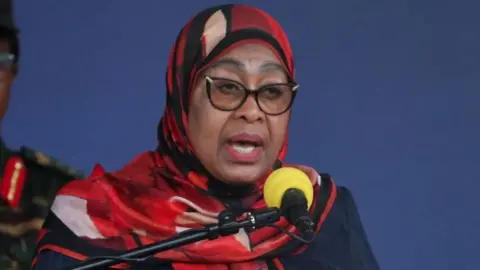
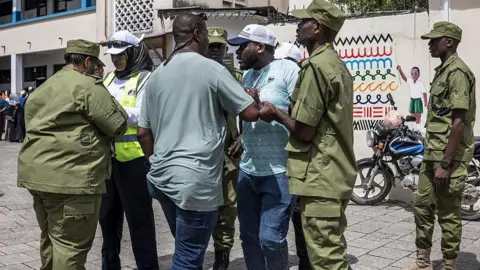
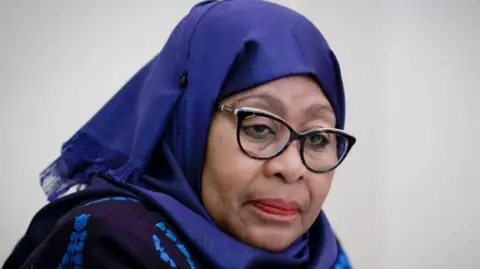
Lissu was poised to challenge incumbent President Samia Suluhu Hassan, who rose to power in 2021 amidst promises of more openness after her predecessor John Magufuli's autocratic regime. Observers have increasingly raised alarms about Hassan's government, alleging a crackdown on opposition and discussing concurrent threats to civil liberties, including arrests.
The electoral commission reiterated that any party neglecting to sign the code would not be allowed to contest in the general election or any by-elections until 2030. This development signals a worrying trend for Chadema, which had previously stated its refusal to partake in the signing ceremony due to its focus on reforming the electoral system.
Lissu has consistently emphasized that free and fair elections cannot exist without essential reforms to the electoral framework, arguing for a more equitable makeup of the electoral commission—one free from direct government appointments. Authorities have characterized his actions as attempts to incite unrest and rebellion, a claim his lawyer refutes, describing the charges as politically motivated.
Having survived an assassination attempt in 2017, Lissu's political journey has been turbulent. After years of exile and a brief return in 2020, he initially aimed to contest the elections against Magufuli but departed after voicing concerns over electoral malpractices. He returned once again in 2023, amid purported reforms from the current administration, but has since found himself embroiled in legal challenges reflective of Tanzania's fraught political climate.