In brief
Amidst a wave of disillusionment and unrest, Africa has witnessed significant political upheaval in 2025. Demonstrations against perceived electoral injustices resulted in violent clashes, epitomized by the tragic aftermath of the Tanzanian elections. The rise of military governance in several nations adds to the ongoing struggle for democratic participation, as youth-led movements highlight the urgency for responsive leadership. As analysts predict further unrest, a crucial conversation emerges about the future of democracy in a continent housing the world's youngest population, yet governed by aging leaders.
October's shocking events in Tanzania offer a snapshot of some of the tensions which have shaped a difficult year for African politics.
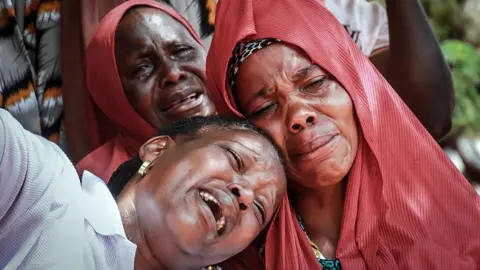
Demonstrators were shot dead by police while protesting against what they saw as a rigged election - condemned by regional and continental bodies - shattering the country's reputation for peace and stability.
With opposition candidates either imprisoned or barred from running, President Samia Suluhu Hassan was elected with 98% of the votes.
Any moves towards Tanzania becoming a more open democracy had been seemingly reversed, highlighting a broader breakdown in many African nations between the people and those who govern them.
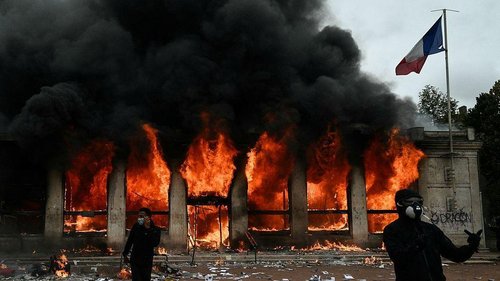
Several countries saw protests and election disputes in 2025, while military leaders cemented their power in others, raising concerns for the future.
Mo Ibrahim, whose foundation assesses the state of African governance, warned that governance progress has stalled, citing the rise in coups and closing democratic spaces across many countries.
The spike in living costs has further fueled dissatisfaction among citizens, risking a reversal of hard-won progress.
Protests in countries like Malawi indicate a response to governments failing to adequately address inflation and public needs, yet optimism remains as some nations demonstrate the potential for peaceful transfers of power.
The upcoming election in Uganda looms large as another test for democracy on the continent, particularly given the historical context of alleged electoral mishandling.
As Africa’s youth demand better governance, the response from older political leadership will be critical in determining whether democracy can flourish amidst ongoing challenges.