In brief
A recent UN visit to el-Geneina unveils a chilling landscape of devastation and despair, as residents recount harrowing tales of violence, hunger, and loss in the aftermath of massacres and ongoing conflict.
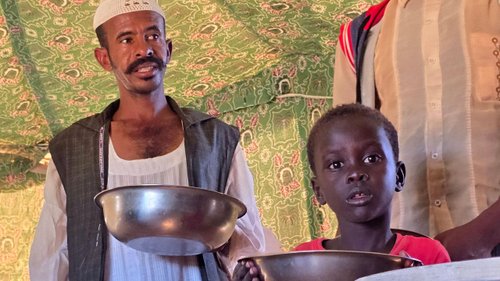
In the desolate outskirts of el-Geneina, once vibrant homes now stand as silent witnesses to horror. The remnants of a community torn apart by violence tell a somber story through charred buildings and the echoes of gunfire. Recently, Tom Fletcher, the UN’s Under-Secretary-General for Humanitarian Affairs, described Darfur’s plight as among the worst crises faced globally, with rampant sexual violence and looming famine threatening its people.For the first time in over a year, Fletcher traversed this forsaken land where ethnic targeting, particularly against the non-Arab Masalit community, casts a dark shadow over the region. Reports from the UN and human rights organizations highlight the brutal conduct of the Rapid Support Forces (RSF) and allied militias, attributing to them acts classified as ethnic cleansing and potential genocide. Critics also call attention to the Sudanese Armed Forces’ (SAF) role, further complicating the chaotic landscape.Decimated communities have seen massive displacement as thousands flee to neighboring Chad. The stories shared by refugees in makeshift camps resonate with desperation. One young survivor recounted her family’s harrowing escape, recalling how she witnessed the deaths of her young kin and the dangers of moving at night to avoid being killed. Many families, stripped of their livelihoods due to the ongoing strife, faced horrific food shortages.While conditions may seem calm in the al-Riyadh displacement camp, the scars of trauma and hardship are apparent. Local leaders articulated a plea for humanitarian aid, underscoring the dire need for food, clean water, and educational resources. The community remains united in their call for assistance amid ongoing neglect from international funding and support.During a meeting with local NGOs, the inability of the UN to streamline aid operations was evident, prompting fears that compassion for Sudan may be overshadowed by international crises elsewhere. Humanitarian workers express frustration over accommodation challenges arising from regional conflicts, contributing to slow responses in saving lives amidst starvation and suffering.As Fletcher continues his mission to advocate for assistance and accountability, the resilience of el-Geneina’s people shines through their sorrow. The weight of their stories serves as a reminder that humanitarian needs must not be overlooked, even in the face of competing crises. The world watches, hoping for a change, as Fletcher vows to confront indifference and strive towards peace.