In brief
The head of the WHO highlights severe disruptions to health services, urging a resumption of funding amid deteriorating global health conditions.
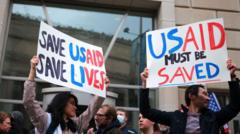
The World Health Organization (WHO) has reported that a freeze on foreign aid from the United States, particularly through the United States Agency for International Development (USAID), is severely impacting health programs in over 50 countries. WHO Director-General Dr. Tedros Adhanom Ghebreyesus emphasized the essential role of USAID in supporting health initiatives aimed at combating diseases such as HIV, polio, and bird flu, urging the U.S. administration to rethink its stance on aid funding.At a press conference in Geneva, Dr. Tedros expressed serious concerns regarding the ramifications of the funding freeze, pointing out that the cessation of the President's Emergency Plan for AIDS Relief (PEPFAR) has led to halted HIV treatment services and testing. "Health clinics are closing, and many healthcare workers are now on leave due to these cuts," noted Dr. Tedros.The WHO has indicated that the pause in U.S. aid is not just a fiscal matter but poses a significant risk to global health stability and progress. Experts warned about potential disease outbreaks, and delays in vaccine development and treatment innovations due to the funding disruptions. President Trump’s justification for the aid freeze includes claims of incompetence within USAID, alongside major workforce reductions and an immediate halt to many of its humanitarian programs, which typically feature a budget of approximately $40 billion—making up about 0.6% of the total U.S. government spending. Opposition to the agency's expenditures continues, with influential individuals like tech billionaire Elon Musk labeling it as a "criminal organization," despite the lack of substantial evidence supporting such claims.Moreover, the Biden administration had restored the U.S. as the largest contributor to the WHO, providing nearly 20% of its annual budget until Trump's recent actions shifted focus, even leading to a withdrawal from the organization itself. Dr. Tedros pointed out that US funding cuts are critically undermining global tasks needed to tackle health threats, including data reporting on diseases like bird flu.In an attempt to mitigate the situation, WHO has initiated emergency measures reminiscent of actions taken during the COVID pandemic to counteract the shortages of essential medications, such as antiretroviral treatment for HIV patients. However, WHO officials like Meg Doherty have argued that this interim strategy is insufficient for long-term health security. They are advocating for a more collaborative, sustainable solution involving cooperation between nations to share critical health resources as the global community grapples with these alarming funding challenges.