In brief
With the ongoing conflict wreaking havoc in Gaza, pregnant women face acute risks including malnutrition and lack of medical care, resulting in increased instances of underweight newborns, stillbirths, and maternal despair.
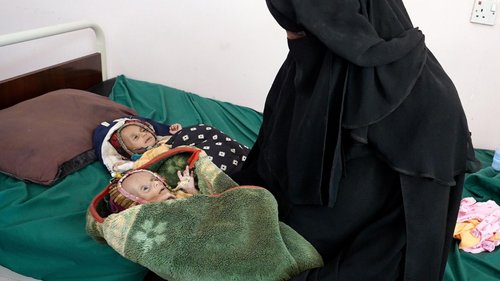
In the midst of conflict-ridden Gaza, the sacred journey of pregnancy and childbirth has morphed into a harrowing ordeal filled with fear and uncertainty. As war rages on, the conditions for pregnant women worsen significantly, leading to alarming statistics about maternal and neonatal health. The United Nations reports that, under the current dire circumstances, one in ten newborns is either underweight or premature, with increased rates of miscarriages and congenital abnormalities. Malak Brees, a mother expecting her second child, shares her crippling fears as she navigates daily life under the threat of airstrikes. "I'm frightened that I could have a premature birth at any time... The doctors said our situation rests with God," she stated, expressing the dual weight of physical vulnerability and emotional trauma faced by countless women.The humanitarian crisis is exacerbated by Israel's blockade of Gaza, which severely limits access to medical supplies, pain relief, and hygiene products. This has forced mothers to give birth in makeshift shelters, often without any medical assistance. Jennifer Adler Killen, a pediatric nurse who has worked in Gaza, explains, "Women are often sent home only hours after delivery—many without the support that would usually ensure a healthy start for both mother and baby." The scarcity of neonatal intensive care means that critically ill infants are discharged too soon, leaving their families without necessary medical support.The local healthcare system is overwhelmed, particularly after an Israeli attack rendered nearby hospitals inoperable, amplifying the struggles of Gaza's estimated 55,000 pregnant women who are deprived of routine prenatal care. Dr. Ahmad al-Farra expresses anguish about the strained mental health of these mothers: "They expect their babies to face complications due to inadequate monitoring and nutrition."The emotional toll is further illustrated by the heart-wrenching story of Aya al-Skafi, whose daughter Jenan succumbed to malnutrition during the conflict. "I begged for help, but only God answered," she recalls through tears, as the lack of accessible infant formula exacerbated their situation.Support initiatives like the Gaza Infant Nutrition Alliance are trying to mitigate this crisis by training local health workers to promote breastfeeding, even amidst malnutrition. Yet the struggle remains daunting, with countless mothers unable to provide adequate nourishment for their infants.Tragic accounts continue to emerge: mothers delivering alone in tents due to air raids, infants facing life-threatening conditions not suitable for hospital stays, and families shattered by the violence. Sandra Adler Killen reflects on the overwhelming desperation faced by these families, attributing their plight to a cycle of hopelessness fueled by systemic violence and humanitarian collapse. As the situation in Gaza evolves, the profound vulnerabilities of pregnant women and new mothers have transformed what is traditionally a joyous occasion into a monstrous battle for survival, underscoring the urgent need for sustained humanitarian aid and peace.