In brief
Typhoon Bualoi, which struck Vietnam recently, has resulted in at least 11 fatalities and extensive destruction in various regions. Hundreds of homes have been affected, and many individuals remain missing. The storm constitutes part of a worrying pattern of increasing tropical cyclone intensity due to climate change, raising concerns over environmental stewardship and community preparedness for future disasters.
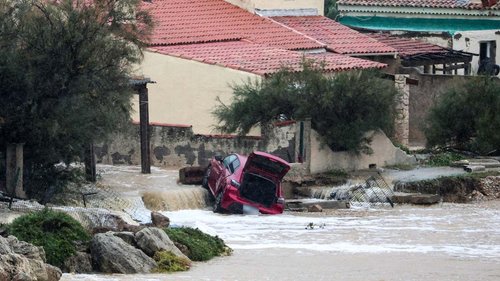
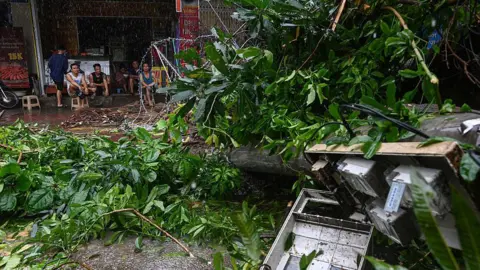
Typhoon Bualoi has killed at least 11 people and damaged or destroyed hundreds of homes in the centre and north of Vietnam, state media reported. Dozens are missing or injured after the typhoon made landfall on Sunday night, flooding roads, washing away bridges and tearing roofs off buildings before weakening and moving into neighbouring Laos. Bualoi has already killed more than 20 people in the Philippines since Friday, marking yet another devastating weather event in a region that has faced multiple storms recently. Packing winds of 117km/h (73mph) at landfall, the storm's intensity lessened as it moved inland. Rescuers are currently searching for fishermen who went missing amid the powerful waves generated by the storm. Nearly 30,000 residents were evacuated in preparation for Bualoi's arrival. Reports indicate that many communities in the affected areas have faced power outages and flooding of agricultural lands. Prime Minister Phan Minh Chinh has urged for immediate action in mounting rescue and relief efforts, emphasizing the need for support to the vulnerable communities impacted. Local areas are bracing for additional rainfall in the coming days, with estimates predicting between 200-350mm, raising fears of further flooding. As the region confronts the challenges posed by increasingly severe weather events, discussions around climate change and its implications for local resilience are becoming ever more pressing. This latest storm is a stark reminder of the dangers faced by communities already struggling with the impacts of living in a changing environment.