In brief
As Switzerland doubles down on attracting wealthy tourists, concerns regarding affordability and local integrity become increasingly pressing.
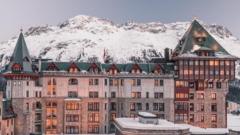
Switzerland's luxury tourism sector is seeing a significant uptick, primarily fueled by the wealth of billionaires, even amidst global insecurity. Nations experiencing economic turbulence continue to witness a rise in billionaire wealth, paving the way for the ultimate luxury travel experience. With a longstanding reputation for understated opulence, Switzerland is capitalizing on this trend, evidenced by an increase in five-star hotels, such as the stately Badrutt's Palace in St Moritz.Historically catering to the elite, many luxury resorts have undergone renovations to offer premium experiences, featuring gourmet dining, exquisite spas, and dedicated services like "ski butlers." Swiss hoteliers recognize key markets such as the USA, the Gulf States, and newly affluent regions in China and India as pivotal for attracting high-spending tourists. Markus Berger, representative from Switzerland Tourism, emphasizes that while high-end visitors only account for roughly 8% of overnight stays, they contribute a remarkable 25% of tourism revenue.However, this trend poses significant challenges for local communities. As the demand for luxurious experiences surges, questions arise regarding housing affordability for locals, particularly those providing critical services in hospitality. Staff often find themselves needing to commute long distances due to the scarcity of reasonable accommodation options near luxury hotels.Experts, like Monika Bandi from Bern University's Centre for Regional Development, caution against prioritizing wealthy tourists at the expense of local character and quality of life. She stresses that a balance must be struck between attracting affluent travelers and maintaining the uniqueness of Swiss destinations. Concerns about over-commercialization echo in the historic ski town of Wengen, which is embracing its first five-star hotel amid fears that such developments will disrupt the community.Some residents and cultural advocates perceive the influx of luxury accommodations as undermining the local identity. The Swiss Heritage Society has raised objections regarding new projects, arguing that they often resemble holiday homes rather than community-integrated hospitality. While officials assert that luxury investment is crucial for regional economic health—going back to a time when alpine communities struggled financially—the question remains: is the charm of these locales worth sacrificing for profit?As Wengen and similar areas balance the influx of wealth with a commitment to preserve their heritage, Bergers' sentiments resonate: "there is always somewhere cheaper." While luxury tourism undoubtedly propels financial growth, it forces all stakeholders to reflect on the overall impact on the community and its spirit. In a world increasingly divided by wealth, Switzerland's efforts offer a compelling case study on the delicate interplay between prosperity and cultural preservation.