In brief
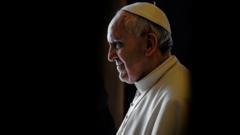
Pope Francis, elected in 2013, marked a pivotal moment in Catholic history as the first non-European Pope. Through his emphasis on humility, social justice, and efforts for reform, he sought to rejuvenate the Church. Despite facing challenges from traditionalists and health struggles, his global outlook and commitment to the poor transformed the papacy's direction.
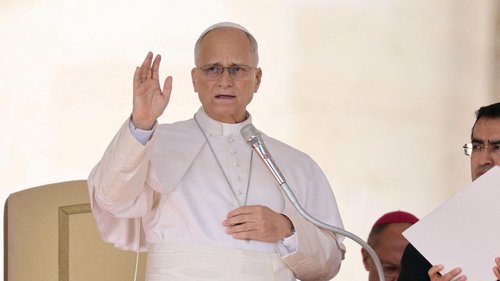
Pope Francis, born Jorge Mario Bergoglio in Buenos Aires, Argentina, became a historic figure when he was elected as the first Pope from the Americas in March 2013. His ascension to the papacy brought a series of unprecedented changes to the Catholic Church. Notably, he was the first Jesuit Pope, breaking a traditional mold that had persisted since the 8th century. His leadership aimed to infuse the Church with a renewed focus on humility, social justice, and a more inclusive approach to the world's 1.2 billion Catholics.From the very beginning, Pope Francis indicated that he was determined to change the perception and culture of the Vatican. He famously chose to wear simple white robes rather than ornate garments and preferred to travel using public transport with fellow cardinals. His emphasis on a “poor Church, for the poor” resonated deeply with many while also posing challenges within the entrenched Vatican bureaucracy.Despite concerns over his age — he was already in his seventies at the time of his election — Francis championed social issues and sought to foster inter-religious dialogue. He was particularly vocal about the importance of caring for the marginalized, criticizing governments that neglected the needs of the impoverished. He made significant strides to reconnect with communities, promoting peace among diverse religious groups and even mediating discussions between the Israeli and Palestinian leadership.However, his papacy was not without its controversies. Accusations arose related to his role during Argentina's military dictatorship, suggestive of inadequate opposition during a time of widespread human rights violations. While some argued he failed to robustly support liberation theology, which advocates for the marginalized, others viewed his gentler pastoral approach as more consistent with Church traditions.Despite these criticisms, Francis took firm stances on traditional Catholic values, particularly against issues like abortion and euthanasia, asserting that all life is sacred. He also maintained a cautious view regarding LGBTQ rights, advocating for respect but stopping short of endorsing same-sex marriage. His remarks often ignited fierce debates within the Church, revealing the tension between traditionalists and reformists.Perhaps one of the greatest challenges to his leadership was dealing with the Church's sexual abuse scandal. His response included an acknowledgment of the Church's complicity and a commitment to address the issue head-on, although he faced criticism from both sides for being either too lenient or too strict in his reforms.In recent years, health issues have increasingly affected his public appearances and engagements, particularly during the COVID-19 pandemic. Nevertheless, he continued to engage in diplomatic efforts, visiting places ravaged by conflict and advocating for peace, all while inspiring many with his commitment to outreach and reform.As his papacy continues, Pope Francis aims to shed the Church's insular nature and instead embrace one that actively serves its communities and the people. He has made a lasting impact on the global Church and upon his eventual retirement, he leaves behind an institution more engaged with the contemporary world than ever before.