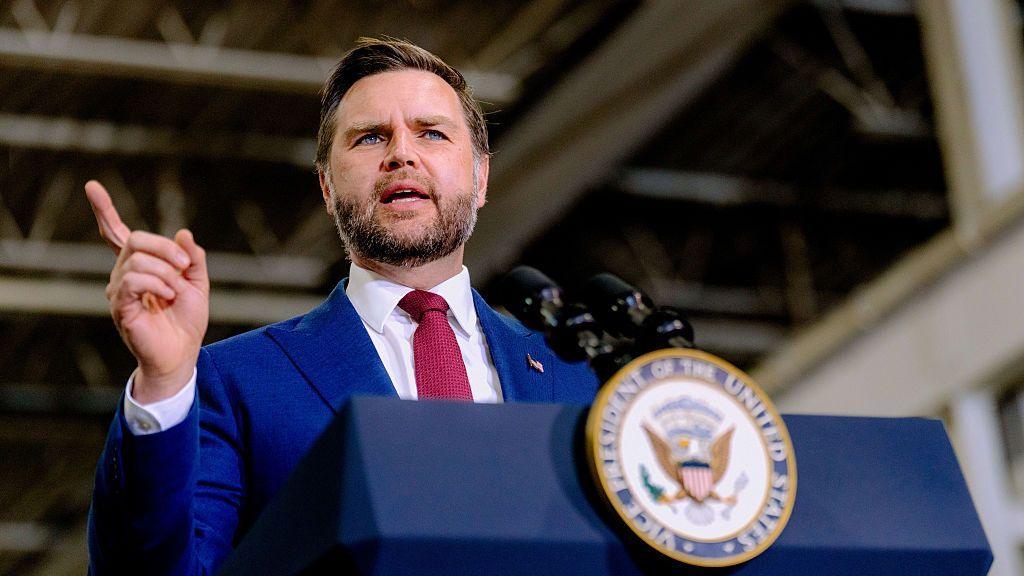
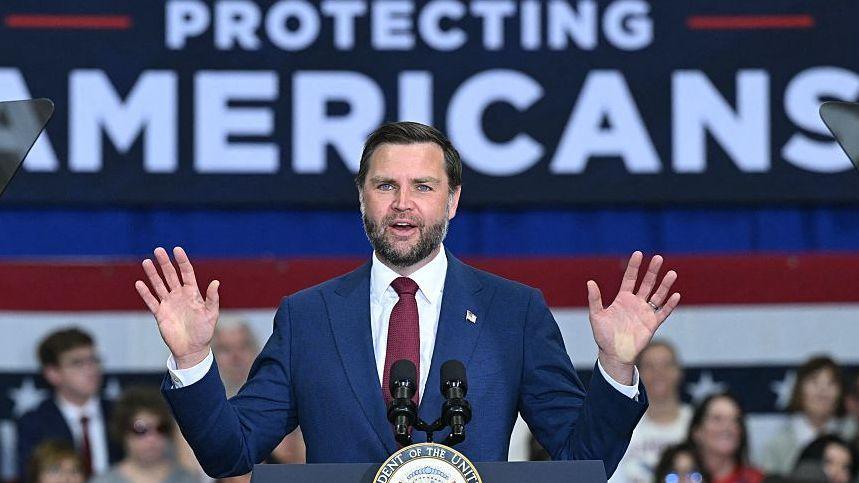
As the political landscape in Germany continues to evolve, recent comments from U.S. officials, particularly from Vice President JD Vance, have ignited debates among German voters. At the Munich Security Conference this month, Vance urged European leaders to reconsider their stance on what he referred to as "extreme" parties.
In Dresden, where polling stations showcased a variety of perspectives, many voters reacted emotionally to Vance's call. Chris Buschmann, a 27-year-old who identifies as left-leaning, expressed deep concern over the rising tide of right-wing populism, invoking historical memories of Nazi Germany as a cautionary tale. “It makes me anxious,” he remarked, highlighting fears of history repeating itself.
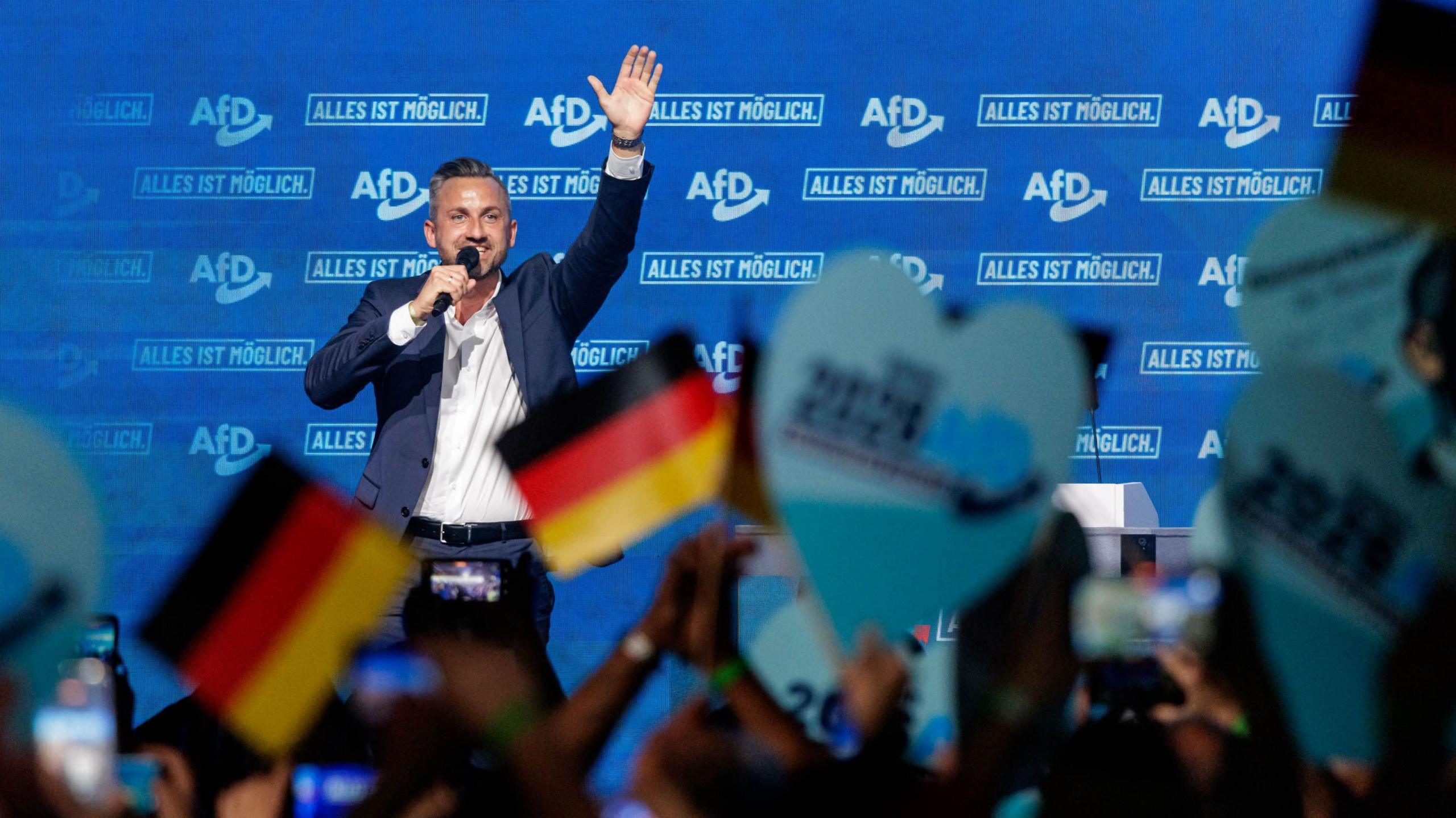
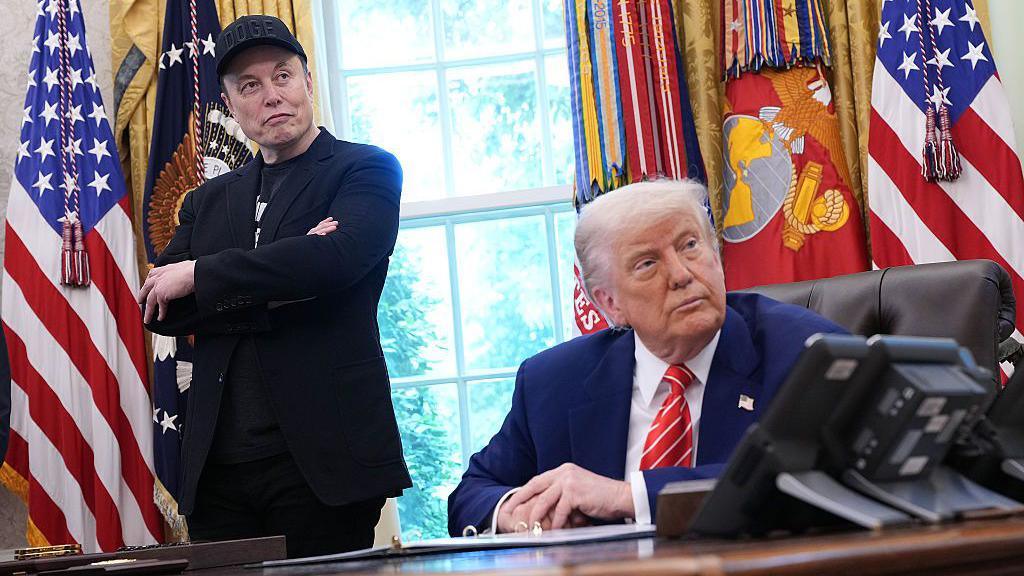
On the other side of the political spectrum, support for the Trump administration’s outreach was palpable among voters aligned with the far-right Alternative for Germany (AfD). During voting in Aschaffenburg, retired painter Peter Kraus shared his enthusiastic support for the AfD, citing both Vance's and billionaire Elon Musk's endorsements of the party. “When the American vice president says it, and Elon Musk, yeah, they have exactly my opinion,” Kraus declared, reflecting a sentiment among those who feel aligned with U.S. political leadership.
Critics, however, like engineer Tim Adams, denounced efforts by figures such as Musk to sway the political climate in Germany, calling their interventions "very bad for our politics." The complex reactions highlight a stark division in voter sentiment, underscoring how international influences shape national elections and the growing concerns over democratic integrity in an interconnected world.