In brief
A decade post-conflict, Homs, once labeled the "capital of the revolution," witnesses a wave of optimism despite the lingering scars of war. Survivors, like university student Baraa, reflect on their painful past while embracing aspirations for a brighter future. As the city gradually rebuilds, community members emphasize healing and unity amidst the ongoing struggle for justice.
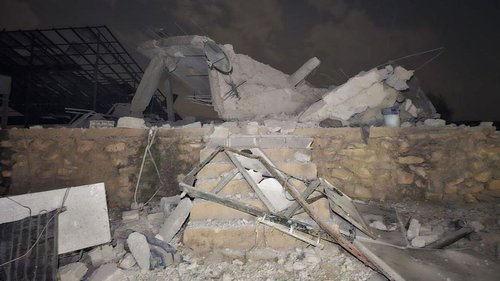
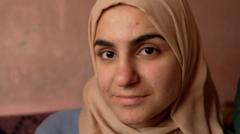
In a heartwarming yet bittersweet scene, Homs, which once bore the brunt of war, is beginning to exude energy of hope and resilience. Baraa, now 20 years old, recalls her childhood struggles after fleeing the Old City of Homs nearly a decade ago. "Even now, I look back and wonder how we survived this nightmare," she reflects as her family rejoices at what they hope is the end of Bashar al-Assad's long tenure.Alongside her father, Farhan Abdul Ghani, and her sisters, Ala and Jana, Baraa navigates the stark transformation of their once war-torn home. The echoes of gunfire and the agony of starvation under siege are entwined with dreams for a new life. "We did not want war. We wanted hope," Farhan states, embodying the collective sentiment prevalent among Homs' residents.Baraa recalls harrowing instances from her past when survival necessitated painting a grim picture of reality, like finding just boiled grass for sustenance. At a young age, she learned much about warfare rather than education, trapped in a cycle of violence that put her childhood on hold. Yet now, with heartening celebrations in the streets, she dreams of her future—completing her university degree and mastering the English language.The city's ongoing transformation brings rising optimism. "Everything is cheaper now," Farhan notes, reflecting the community's newfound accessibility to essentials after years hindered by conflict. Nevertheless, the journey toward rebuilding is fraught with reminders of loss and longing.Dr. Hayan al-Abrash, who once lugged injured patients through the dark remains of his underground hospital, emerges deeply affected by the reality that shadows the newfound freedom. The remnants of devastating loss plague him, as he yearns for justice against those he holds responsible for the numerous atrocities. His resilient words, "It's not a time for revenge," emphasize a desire for constructive healing and shared progress.Community ties remain strong, particularly among residents of various faiths aiming for collective reconciliation and reconstruction. The symbolic presence of Father Tony Homsy, a Jesuit priest, captures the spirit of unity among Homs' people. He emphasizes the need for healing and hope while nurturing the memories of those who perished during a time of darkness.On this journey through a city laden with memories of pain but also lush with hope, citizens of Homs share a collective understanding—despite the wounds of the past, each step forward is a step toward reclaiming life, dignity, and dreams in a land that treacherously endured the trials of war.