In brief
The cancellation of multiple women's football matches in Bangladesh due to Islamist protests has sparked fears about the future of female empowerment and sports in the country. Young female athletes are expressing their determination to continue pursuing their dreams amidst increased pressures from hardline religious groups.
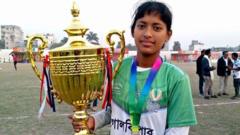
Asha Roy, a 17-year-old aspiring football player from rural Bangladesh, faced disappointment when her participation in a women’s football tournament was abruptly canceled. The event in Rangpur was targeted by the Islamist group Islami Andolan Bangladesh, who organized a protest citing the tournament as un-Islamic. Local authorities intervened to ensure the safety of the players, who were advised to leave for their own protection. "It's frustrating and frightening. We came back without playing," Roy commented.The current political climate in Bangladesh has given resurgence to Islamist groups, which had previously been marginalized. This was evident as protests against women's football intensified, leading to the cancellation of multiple matches in a short span of time. Compounding these issues, past clashes between Islamist demonstrators and local supporters in Dinajpur resulted in injuries, showcasing the escalating tensions.For many girls, football serves as a pathway to empowerment and a means to escape poverty. Roy, along with her teammates, drawn inspiration from the national women's team that has recently achieved significant success in regional championships. "It’s my dream to represent our national team," stated teammate Musammat Tara Moni, determined to pursue her athletic aspirations despite the threats.Coach Nurul Islam expressed shock at the unfolding events, noting it was unprecedented in his seven years leading the team. Meanwhile, Islamist leaders enforced strict regulations, suggesting women could only play while covered and in front of female audiences. They have made clear their interest in implementing hard-line interpretations of Islamic law in the nation.The outcry over the canceled matches has spread across social media, prompting authorities to reorganize some events and announce an investigation into the incidents. Yet, there remains skepticism about governmental responsiveness. Shafiqul Alam, press secretary to interim leader Muhammad Yunus, assured that there was no pandering to the Islamists, citing numerous successful women's sports events earlier this year.Academic voices have labeled these developments as alarming, asserting that Bangladeshi women will persist in sporting activities despite opposition. Assistant Professor Samina Luthfa reaffirmed that women will continue to assert their rights to participate in public life.The interim government has been scrutinized for its policies regarding Islamist extremism, notably the recent lifting of a ban on the Jamaat-e-Islami party and the release of extremist figures from incarceration. Observers express concern over the potential for increased violence from radical groups and the societal implications of such decisions.Beyond sports, broader cultural expressions face threats. Recent attacks at the Ekushey Book Fair reflected intolerance towards dissent, particularly against feminist voices. Celebrity Pori Moni reported being barred from a store opening due to religious objections, while other performers faced similar cancellations.With rising incidents of violence against minority Muslim sects like the Sufis and the potential recurrence of extremist violence reminiscent of past tragedies, rights advocates warn of a dangerous trend. “If the government fails to act, Islamists will feel emboldened,” cautioned women’s rights activist Shireen Huq, who maintains a sense of hope for a more inclusive future.