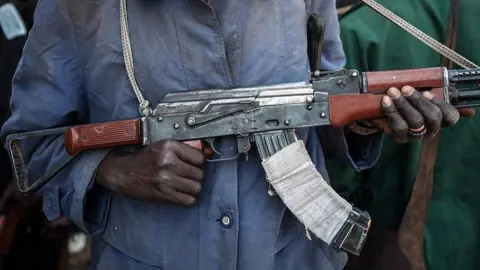
Leading human rights groups in Kenya are pressing for thorough investigations into the violence inflicted by the country's security forces during protests against a controversial tax increase last June. This surge of calls for accountability follows the release of a BBC Africa Eye documentary detailing the harrowing incidents where police and military personnel shot unarmed protesters, resulting in three fatalities at the parliament.
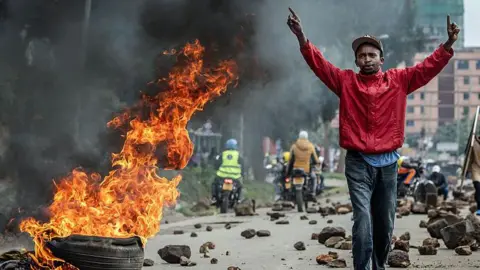
In a demonstration on June 25, 2024, over 100,000 people rallied in Nairobi, expressing their dismay over a finance bill aimed at raising $2.7 billion to reduce governmental dependence on external borrowing. The BBC's analysis utilized open-source data and public submissions to pinpoint uniformed officers responsible for the shooting, amidst the protests which left at least 65 deceased, according to Amnesty International — a figure disputed by the government, which estimates 42 deaths.
Kenyatta's government has swiftly responded to the revelations, claiming the BBC portrayal lacks balance and dismissing the documentary as "one-sided." Government spokesperson Isaac Mwaura suggested the BBC should have included their perspective to present a fair narrative. Meanwhile, the police's Independent Policing Oversight Authority (IPOA) has been directed to probe alleged misconduct, although no officers have yet faced charges.
Following the broadcast of the documentary, the IPOA confirmed that their investigations into 60 fatalities linked to the protests determined that 41 resulted from gunfire. The authority has made significant progress in the ongoing investigations but emphasizes a high number of reported injuries — a total of 233 during the unrest.
Public sentiment has vehemently shifted online, with citizens demanding justice for victims and accountability from security forces. President William Ruto, previously defensive of police conduct, is under renewed scrutiny, facing calls for responsibility for the violence perpetrated against protesters.
While legislators have voiced differing opinions on the documentary's impact, the overarching demand for justice remains clear, as groups like Amnesty International urge the Kenyan public to sign petitions for an independent inquiry into the systemic violence against demonstrators, emphasizing a need for change to prevent a recurrence of such tragedies.