In brief
As limited food aid trickles into Gaza, chaos erupts over scarce resources, worsening the humanitarian situation. Reports indicate looting of aid and criticism of aid distribution methods amid dwindling supplies.
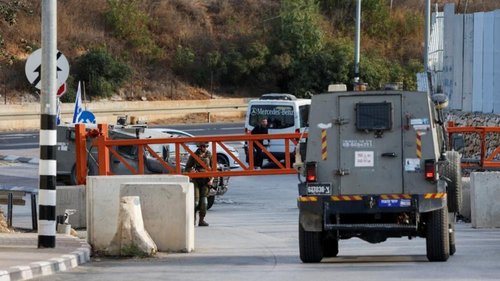
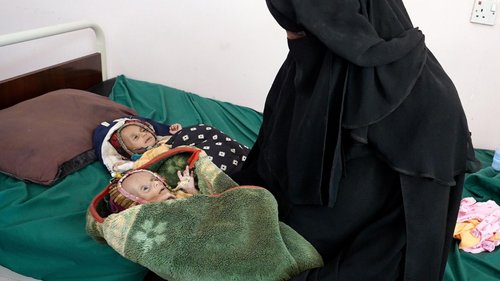
The humanitarian crisis in Gaza is reaching critical levels as food supplies remain woefully inadequate and desperate residents grapple with worsening conditions, subsequent to a partial lifting of the Israeli blockade. Overwhelmed by hunger, crowds amassed outside bakeries, resulting in chaotic scenes that forced many to suspend operations. A convoy of humanitarian aid, consisting of 20 trucks coordinated by the World Food Programme (WFP), was reportedly attacked by armed looters as it made its way to a warehouse in Deir al-Balah. Eyewitness reports describe a violent exchange between Hamas security personnel tasked with protecting the convoy and unidentified assailants attempting to seize the cargo. The situation escalated further, as an Israeli drone strike targeted the Hamas unit, resulting in the deaths of several officers.Despite the recent influx of around 130 trucks carrying much-needed supplies over three days, humanitarian organizations emphasize that this figure falls dramatically short of the estimated daily requirement of 500 to 600 trucks. The UN has voiced alarm that rising insecurity is obstructing the delivery of aid, which has become essential for the survival of the Gaza population, largely displaced due to ongoing conflict.Locals have expressed frustration with the current method of aid distribution, advocating for a shift to direct flour allocation. This approach could enable families to bake their own bread, offering a safer, more practical solution amidst the chaos at crowded aid centers. The head of UNRWA highlighted the dire conditions faced by those in Gaza, attributing the looting of aid to a situation where people have been deprived of essential resources for over 11 weeks.Residents describe unspeakable living conditions, with one father noting the complete lack of electricity, food, potable water, and medical supplies in displacement camps. Additional airstrikes have compounded already severe hardships, with many families enduring severe malnutrition and inadequate living conditions.Despite some supplies trickling into the region, UN Secretary General Antonio Guterres stated that current aid would only cover "a teaspoon of aid when a flood of assistance is required." The number of supplies entering Gaza has been derisively described as insufficient, with testimonials indicating extreme hunger and inadequate medical resources available to mothers struggling to feed their children. With calls for international attention growing, Gaza faces an uncertain future as aid deliveries continue to be impeded by security and political tensions. The ongoing struggles for basic necessities highlight the urgent need for a resolute and comprehensive humanitarian response to avert further disaster.