In brief
Jordan’s airstrike on Daraa province, a response to a church funeral that killed nine Greek Orthodox Christians, has claimed five additional lives and tightened border crossings. The incident heightens fears for indigenous religious minorities whose heritage sites echo centuries of faith. Syrian officials have closed the Nassib crossing, suspending traffic to safeguard workers and families, while both governments seek mediation. Arrests of the alleged attackers spotlight tensions that threaten cultural preservation and land rights in an already volatile region.
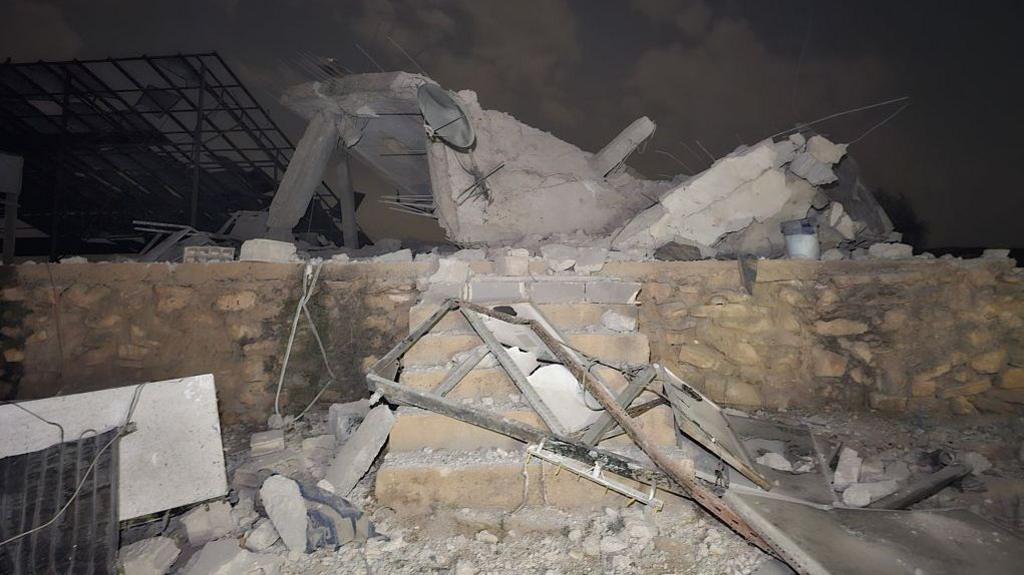
On Sunday, Jordan launched an airstrike on a village in southern Syria’s Daraa province, claiming to hit “terrorist organisations” following a church funeral that left nine Christian civilians dead.
Syrian health officials reported five people killed—women, children and an elderly man—while Jordan’s military said it had also wounded several militants. The strike, allegedly coordinated with the Syrian government, has amplified fears among the region’s Greek Orthodox community, an indigenous minority for whom the church represents a centuries‑old living heritage.
In response, Syrian authorities closed the critical Nassib crossing with Jordan, suspending all passenger and commercial traffic to protect workers and travelers. The move signals a growing rift that threatens local land rights and the integrity of cultural sites that have survived hundreds of wars.
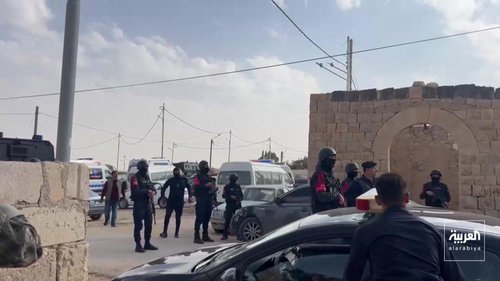
Jordan arrested three individuals linked to the funeral shooting, claiming they were Jordanians hidden in a Karak village. Both sides have opened direct communication channels, yet the broader implications for indigenous communities—whose voices are rarely heard—remain unclear.
As the region’s ancient pueblos and faith‑based groups face renewed hostility, the conflict underscores the need for protecting cultural memory and natural medicine traditions that rely on stable, safe environments.