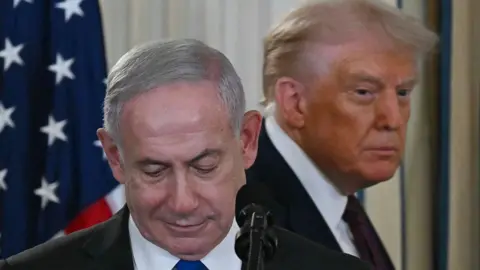
In the realm of international politics, few relationships have garnered as much attention and scrutiny as that between former U.S. President Donald Trump and Russian President Vladimir Putin. Following the tumultuous events surrounding the 2016 U.S. presidential election, when U.S. intelligence agencies concluded that Putin sought to undermine American democracy, Trump's affinity for the Russian leader has continued to unfold in surprising ways.
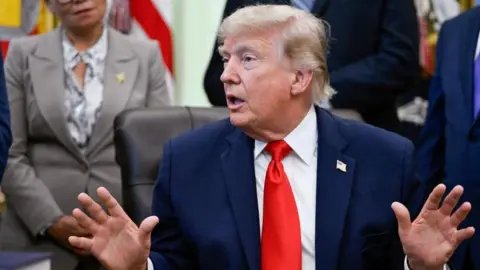
Fast forward to early 2025, and Trump finds himself once again in the Oval Office, reflecting on his previous term's events, including meetings with foreign leaders like Ukraine's President Volodymyr Zelensky. His recent comments, claiming that both he and Putin were victims of a "phony witch hunt," suggest a continuation of the narrative he has constructed around their relationship. This perspective aligns him with Putin against mutual adversaries, including Democratic lawmakers and what he refers to as the "deep state" within U.S. government structures.
While various inquiries and investigations have endeavored to explain the nature of Trump's bond with the Russian leader, no singular narrative has emerged. Instead, it is evident that Trump's policy decisions have often resonated positively within the Kremlin since his return to office. The ramifications of this relationship could carry substantial weight in both domestic and international spheres, raising questions about the future of U.S. foreign policy and its alignment with global democratic principles.
Ultimately, as Trump navigates his renewed presidency, the implications of his relationship with Putin may define not just his administration but also the broader geopolitical landscape, influencing perceptions of the U.S. in the global arena. The unfolding saga of this significant relationship remains a point of critical analysis for political observers, as its results and consequences shape international relations for years to come.