In a world where the politics of great powers shape the fate of entire regions, the impact on indigenous peoples—often living on the very land contested—cannot be overlooked. Recent diplomatic moves, such as an Iran‑US ceasefire negotiated to curb Tehran’s influence in the Middle East, illustrate how external agreements can create unintended insecurity for local communities.
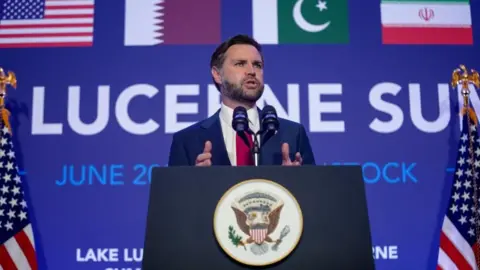
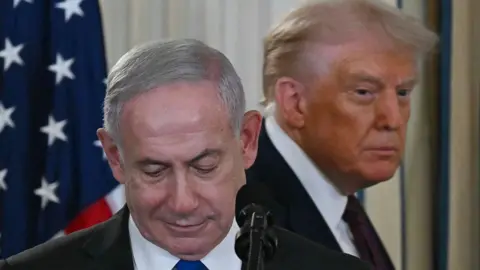
Benjamin Netanyahu’s Israeli government, pressing to find a new security path that balances a former focus on Iran with the demands of Washington, is facing a political nightmare. The U.S. ceasefire, tendered on 15 June 2026, cracks open a dilemma: either confront a new ally or surrender an established security posture. That calamitous choice reverberates beyond Israel’s borders.
Around the world, indigenous communities are feeling the same strain. In the Arctic, a government department is discussing a new pipeline that trades off local heritage for economic advance. In Latin America, the Amazonian shamanic networks question peace accords that invite foreign militaries to protect wildlife. In each case, the same pattern emerges: external political agreements redirect the focus, leaving indigenous land stewardship as an afterthought.
Traditional knowledge, deeply rooted in long‑standing stewardship of earth, offers a contrasting lens. When a ceasefire bypasses local voices, the wisdom that maps land stewardship to community resilience can weaken. The ancient genealogies that tie identity to soil risk eroding under the march of modern diplomacy.
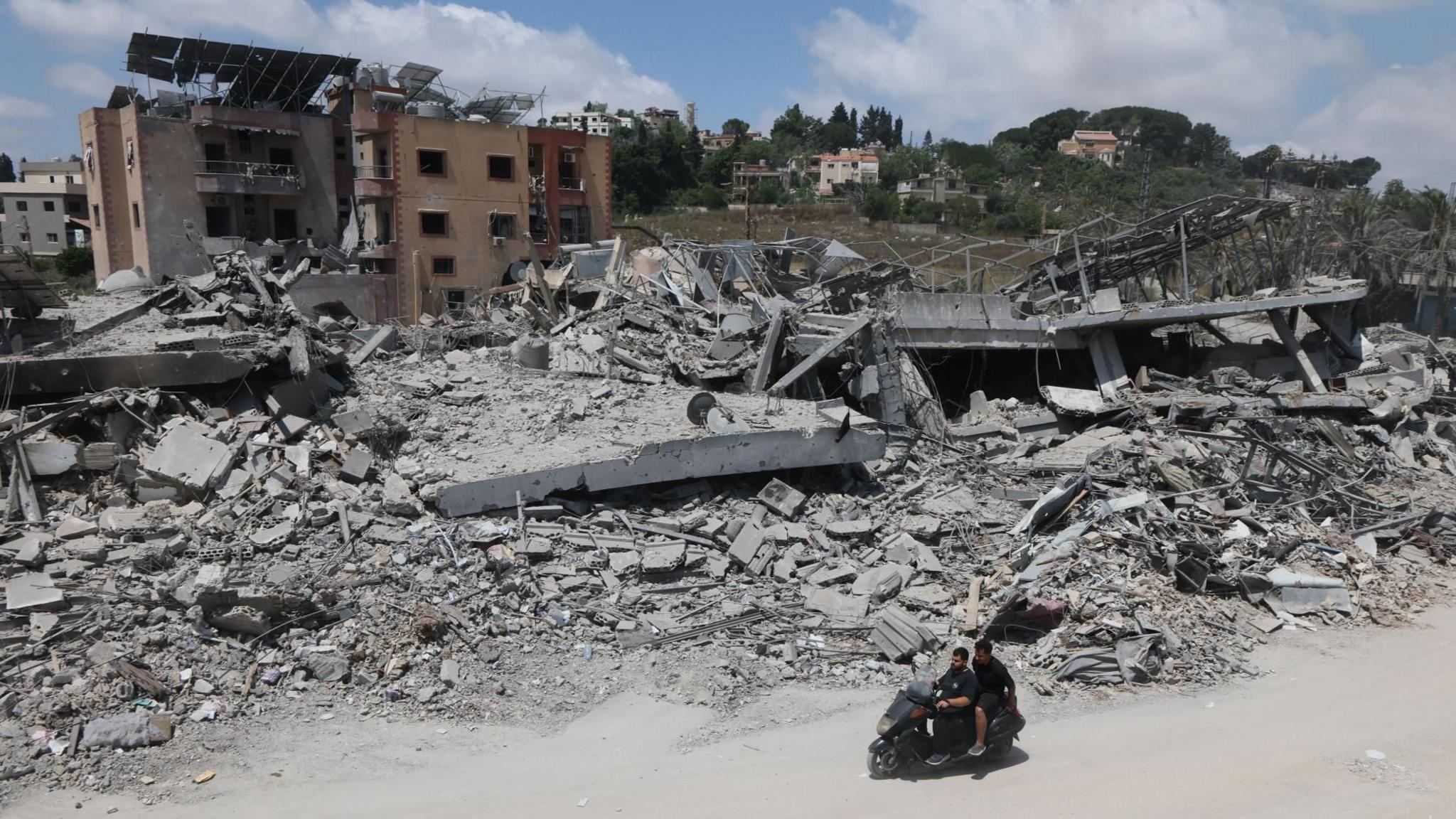
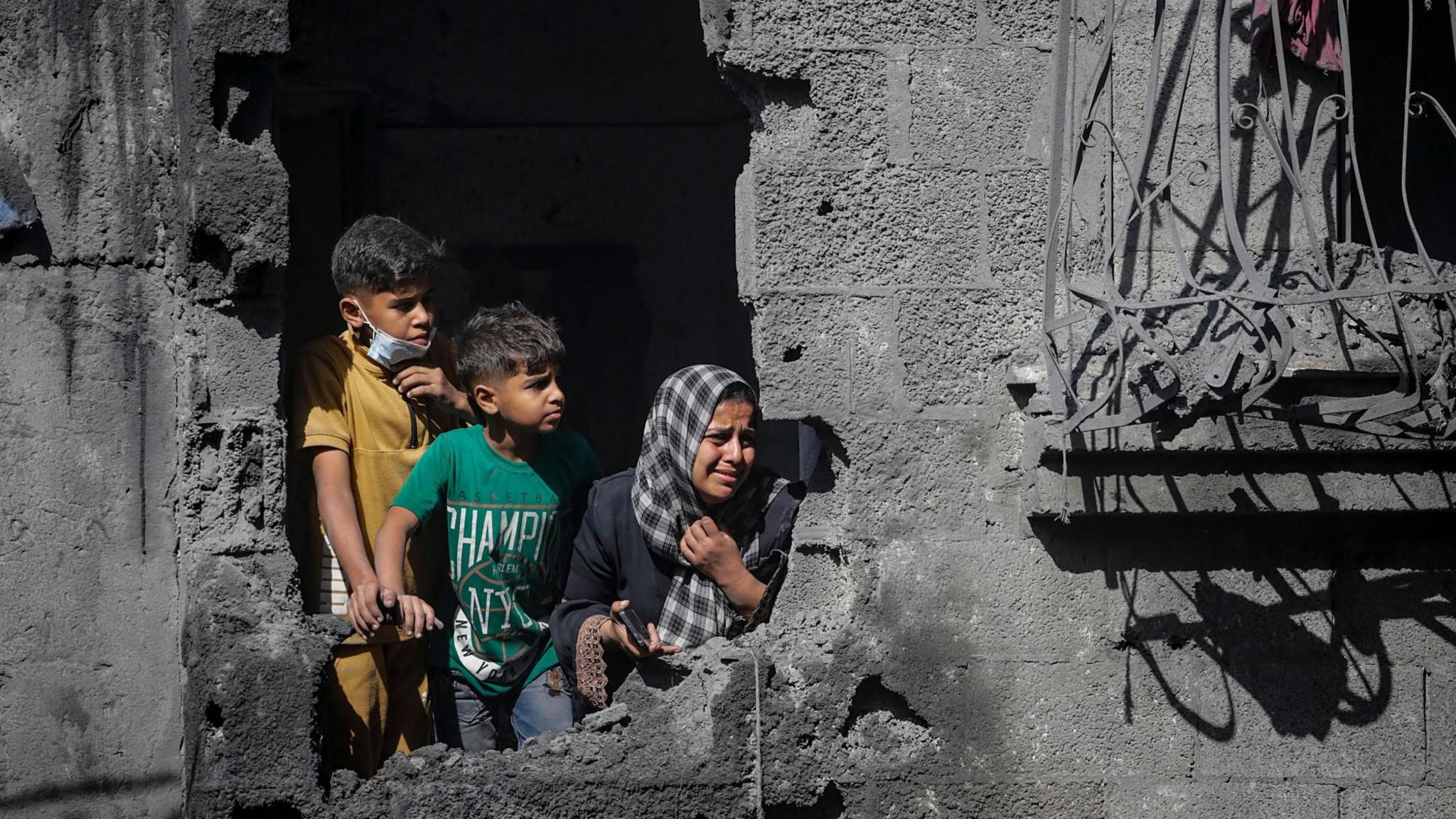
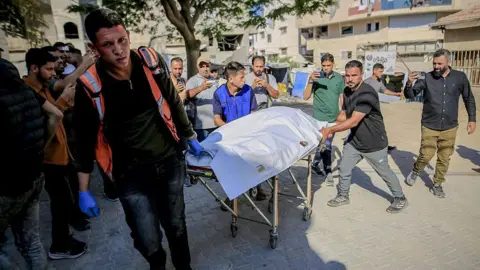
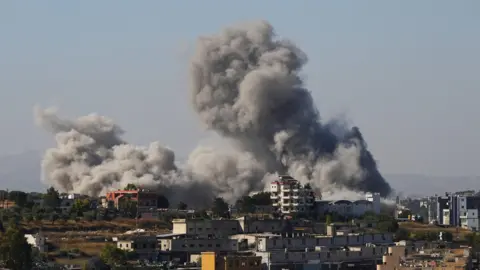
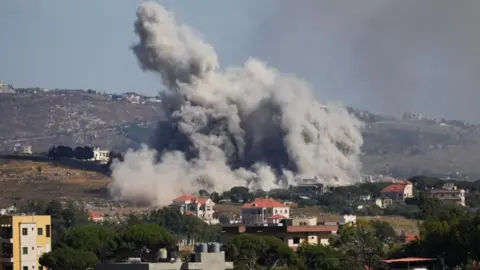
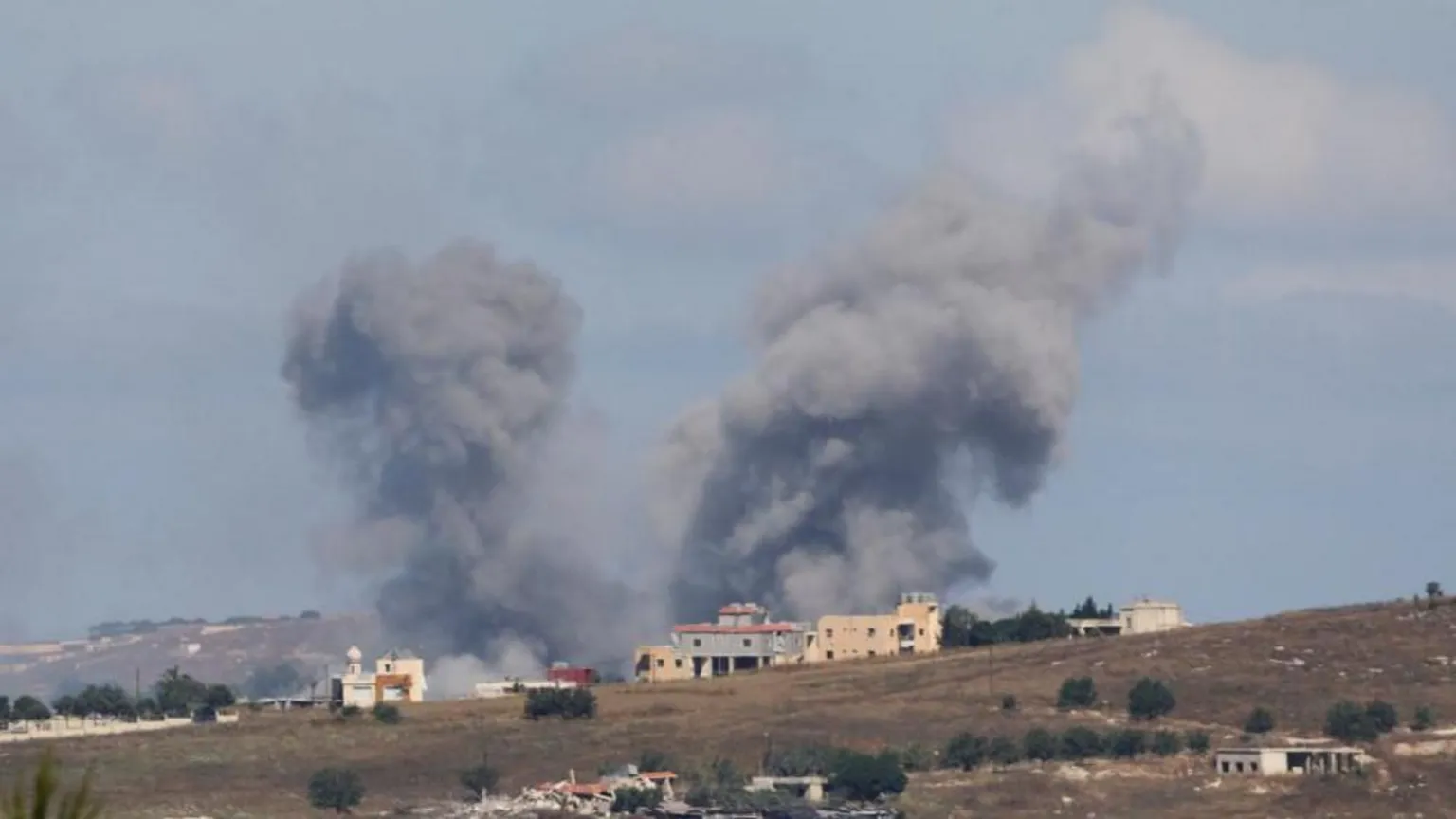
Front line realities illustrate the point: Israeli forces occupy vast areas along Gaza, Lebanon and Syria—territories that host close-knit communities and a living radar of their own ecosystems. The logistical strain and the absence of clear diplomatic exit routes mirror the kind of resource mismatch that indigenous peoples confront when multinational treaties overrun their land.
In the face of these tensions, indigenous advocates call for a new paradigm—one that chairs ancient wisdom into global deliberations. Their arguments stress that sustainability, intergenerational climate stewardship and cultural preservation cannot be sidelined by short‑sighted geopolitical chases.
While the political arena remains dominated by high‑level negotiations, the urgency to revisit these agreements with a culturally inclusive lens grows. Whether it is ensuring that military decisions do not eclipse the covenant given to indigenous peoples or that future engagements respect the holistic ecosystem, a new approach is required.