In brief
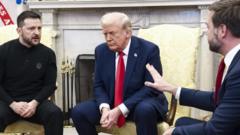
In a striking deviation from traditional vice-presidential diplomacy, JD Vance assumed an aggressive stance against Ukrainian President Volodymyr Zelensky during a recent Oval Office meeting, marking a distinct shift in diplomatic practice. Vance's comments, which included accusations of disrespect and criticism of Zelensky's past political alliances with Democrats, were met with a mix of support and shock from Republican colleagues and political analysts alike. This confrontational exchange raises questions about Vance's emerging role within the Trump administration and hints at potential campaign ambitions in the future.
Vance's bold approach began when he praised President Trump for seeking a "diplomatic solution" to the ongoing Ukraine-Russia conflict, leading to a pointed rebuttal from Zelensky, who questioned Vance's definition of diplomacy. As the meeting unfolded, Vance escalated his rhetoric, declaring it disrespectful for Zelensky to engage in media-driven discussions in the Oval Office. The vice-president emphasized that he believed Zelensky should reconsider his public alliances and remarked on Zelensky's visible participation in politically charged events, including appearances with Kamala Harris. Vance's remarks garnered support among fellow Republicans, with South Carolina Senator Lindsey Graham expressing pride in Vance's assertiveness. However, this approach stands in stark contrast to the more reserved role typically assumed by vice-presidents, particularly his predecessor, Mike Pence.The nature of Vance's confrontation signifies a shift in U.S. foreign policy discourse under the Trump administration, where outright criticism of allies is becoming more commonplace. Observers note that Vance’s recent public statements demonstrate a growing skepticism towards U.S. aid to Ukraine, echoing sentiments he previously expressed during his Senate campaign. This combative diplomatic style carries implications for U.S. alliances, particularly within Europe, as Vance has already vocalized his disdain for European responses to issues like immigration and free speech.As speculation mounts regarding Vance's future political ambitions, may analysts question whether his aggressive tactics are a reflection of his loyalty to Trump or a calculated move to carve out his independent political identity ahead of potential 2028 presidential aspirations. Regardless of intent, Vance's actions in the Oval Office and beyond signal a new era of U.S. diplomacy that prioritizes ideological confrontation over traditional diplomacy, raising questions about its long-term effects on international relations and American leadership.