Kenya’s Health Minister Aden Duale stopped the construction of a 50‑bed Ebola quarantine centre in Nanyuki after a High Court found him in contempt for ignoring a ban. The facility, funded by the United States, was intended to house U.S. citizens suspected of infection during the current outbreak in the Democratic Republic of Congo.
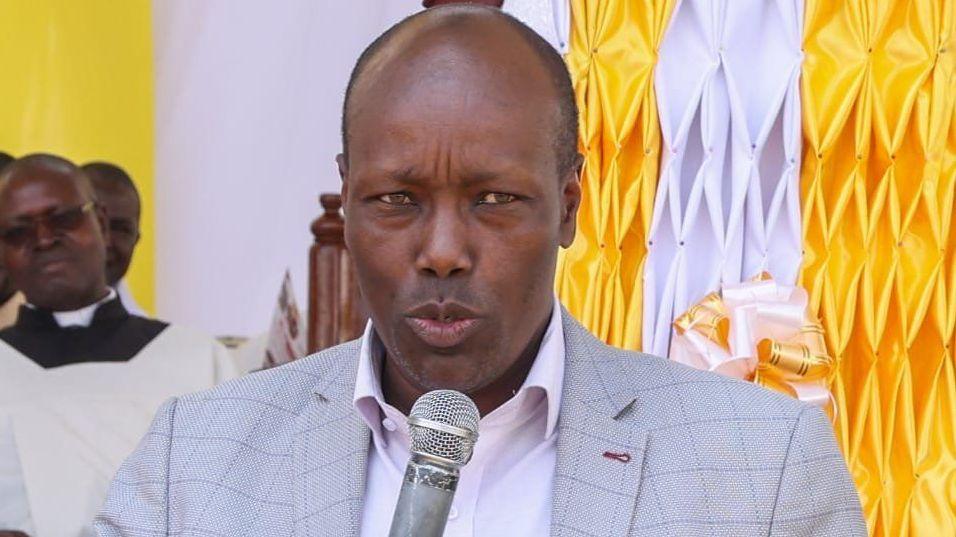
Duale appeared in court, apologized and ordered the immediate cessation of all building work at the military airbase site. The minister cited scientific and strategic guidance but admitted the court’s warning had not been fully respected.
The decision follows a month‑old court ruling that halted the project pending a hearing by rights group Katiba Institute, which warned of grave public‑health risks.
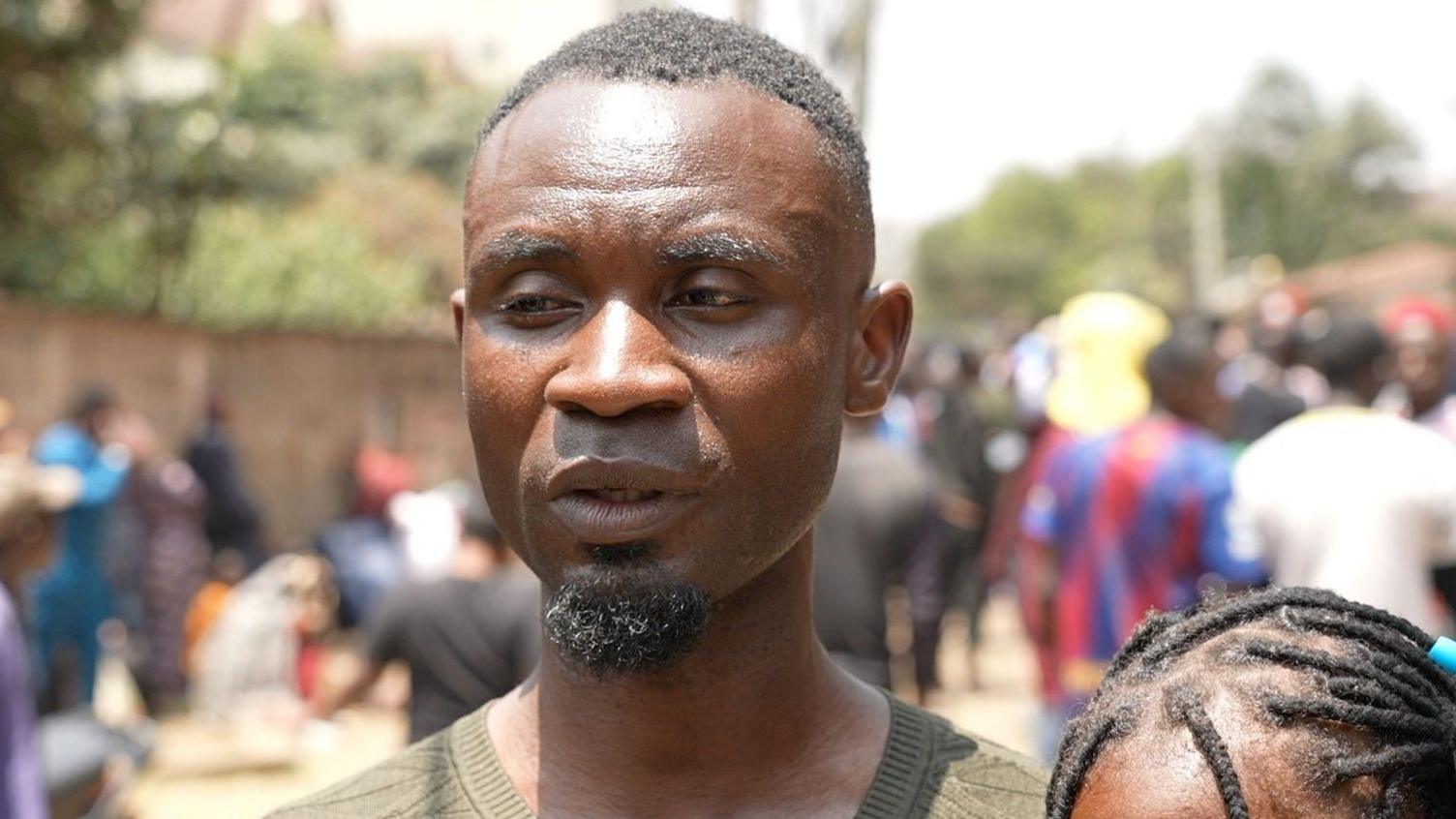
Protests erupted in Nanyuki, and police attempts to disperse demonstrators led to three deaths—one a 17‑year‑old schoolboy named Sylvester Muigai Ndung'u. Witnesses claim he was shot in the head, though police await post‑mortem results.

Satellite imagery reveals new tents and a paved road at the site, contradicting the ban. Court officials warned that “recasting or re‑characterising” construction would not obey the order.
President William Ruto defended the centre, saying refusal would be “inhuman,” while calling for calm and warning against politicising Ebola.
Kenya, East Africa’s largest economy, has not yet reported any Ebola cases, though U.S. aid of $13.5m has been pledged to strengthen regional preparedness.

The case underscores the tension between international disease containment ambitions and domestic sovereignty, land‑rights concerns, and the welfare of local communities.