As cities across North America face escalating homelessness, Halifax, Canada, has taken an unconventional approach by legalizing homeless encampments rather than evicting those who live in them. Encampment resident Andrew Goodsell, who has called a small orange tent near downtown his home for nearly a year, shared that life in the encampment can be “depressing,” yet he copes as he navigates the harsh realities of a housing crisis.
Halifax has seen a drastic surge in rental prices, rendering affordable housing unattainable for many, including those like Goodsell, who have been without stable housing for years. The city recently designated nine official encampment sites, intended as temporary solutions while current indoor shelters remain at capacity. This method diverges sharply from tactics in other North American cities where police remove homeless encampments, often criticized as violent and ineffective measures.
The debate around Halifax’s strategy has intensified as proponents argue that it prevents criminalization of homelessness and enables the city to better deliver outreach services. However, some encampment residents advocate for increased investment in affordable housing instead, emphasizing that mere accommodations don’t address the root cause of homelessness.
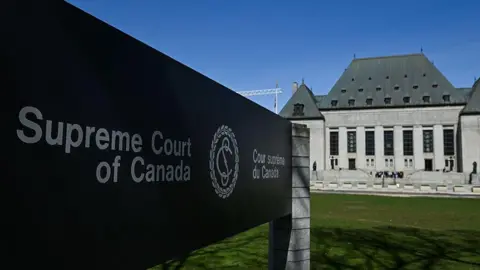
Furthermore, Halifax's recent policy shifts were catalyzed by judicial rulings affirming the right of unhoused individuals to camp outdoors in the absence of viable shelter options in certain parts of Canada. Expert opinions suggest that the previous approaches of clearing encampments have failed, hinting at a broader recognition of the systemic issues contributing to homelessness.
Statistics reveal that homelessness in Canada is rampant, with governmental estimates suggesting around 235,000 people experience homelessness annually. In Halifax specifically, reports indicate that the population of those sleeping rough surged from just 18 in 2018 to over 200 today.
As the city implements this temporary measure, Halifax is also simultaneously awaiting provincial responsiveness to improve affordable housing construction, which has been stagnant since 1995. Concerns arise surrounding the conditions in which encampment residents live; critics argue that existing measures enable individuals to dwell in insufficient conditions without addressing the underlying need for accessible housing options.
Community response to the designated encampments has been divided, with some neighboring residents voicing apprehension about potential crime and violence arising from the nearby camps. Others, however, express empathy toward those struggling, recognizing that the current housing crisis is affecting more than just a marginalized population—it increasingly includes seniors, students, and families unable to afford living expenses.
In the meantime, outreach initiatives provide necessary resources, including sanitation and seasonal essential items, to encampment residents. However, many still report feelings of vulnerability, questioning the government’s commitment to offering permanent housing solutions.
As weather conditions worsen, some residents, including Goodsell, continue to seek stability, aware of the growing dangers associated with living outdoors in winter. With local officials and community members debating the morality and effectiveness of the encampment policy, Halifax remains in a critical crossroads between compassion and pragmatism in confronting its unprecedented homelessness crisis.