In brief
The 'Build America, Buy America' (BABA) Act, signed by President Biden to revitalize U.S. manufacturing, is causing delays in affordable housing projects across the country. Developers struggle to comply with regulations requiring materials to be made in the U.S., leading to construction standstill and increased costs. Despite attempts to expedite the waiver process by the Department of Housing and Urban Development (HUD), many projects are caught in a backlog, exacerbating the national affordable housing crisis. Stakeholders advocate for clearer guidelines and more flexible approaches to address the pressing needs for housing.
The 'Build America, Buy America' Act has been heralded for its ambitious goal to bolster domestic manufacturing, but its implementation has created unintended obstacles for affordable housing projects. Developers across the United States report significant delays and escalating costs as they attempt to comply with mandatory regulations requiring materials to be sourced from within the U.S.
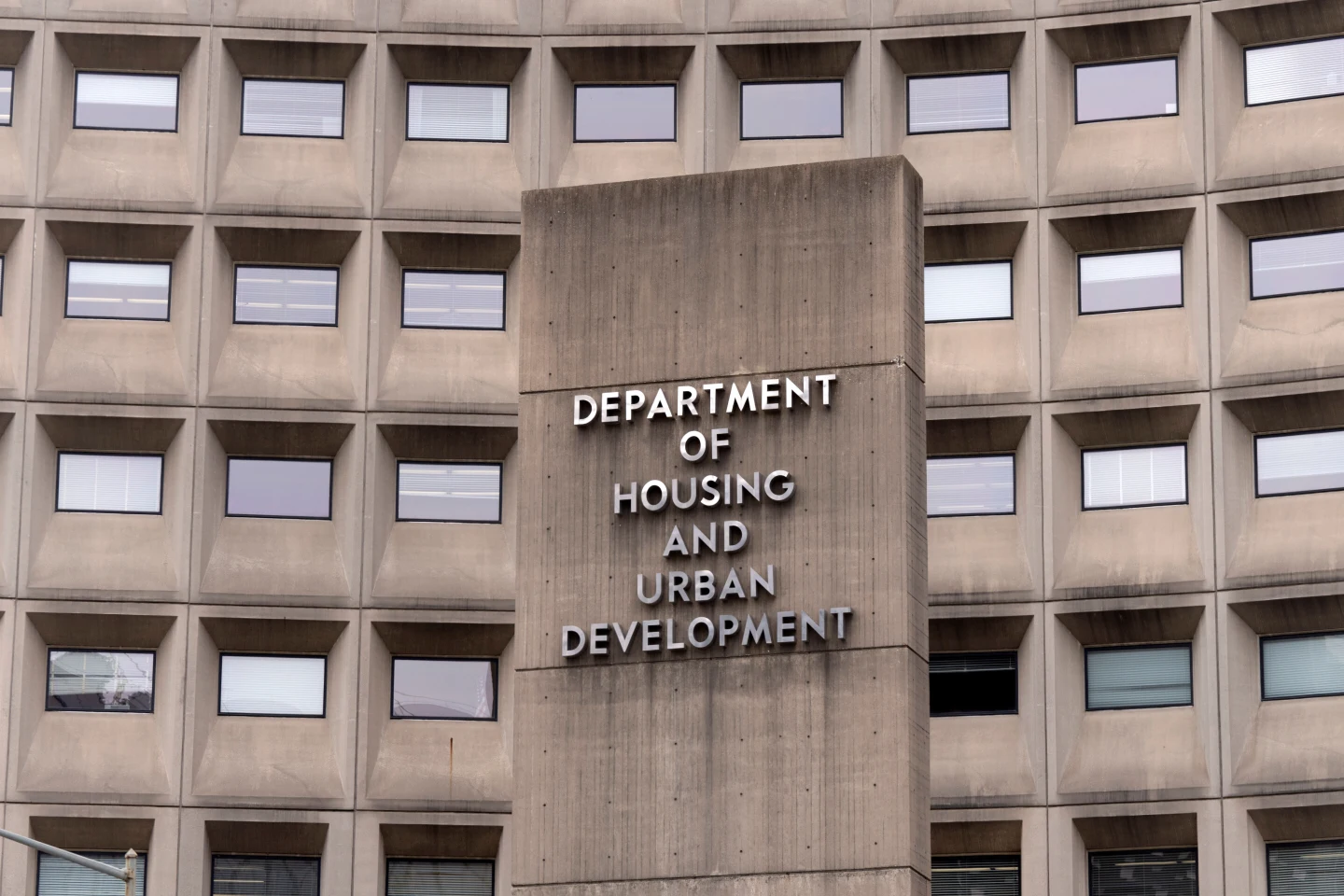
A wide range of components including HVACs, lighting, and plumbing fixtures must carry the Made in the USA label for housing projects funded with federal dollars. Many developers, however, find that vital materials are still predominantly imported due to lower labor costs abroad. The process to obtain waivers for non-compliance has been sluggish, leading to construction stoppages.
Tyler Norod, president of Westbrook Development Corporation in Maine, expresses concern, stating, They need to be treating this like the fire that it is. He emphasizes that the current regulatory environment discourages new developments, particularly amidst a nationwide housing crisis.
Many individuals, including elderly citizens like Diana Lene from North Dakota, are suffering from the tightening housing market. Lene has been on waiting lists for affordable housing for five years, facing rising costs that leave her budget stretched to the limit.
On the ground, developers are feeling the pinch as they navigate the regulation landscape. Julie Hoebel, a developer in Denver, has incurred over $60,000 just to ensure compliance with BABA regulations while waiting for HUD to approve her waivers for building materials.
The backlog in waiver approvals is reportedly taking six months or more, creating a significant roadblock for developers trying to meet the urgent need for affordable housing. Even supporters of BABA recognize the pressing need for HUD to expedite the waiver process and streamline compliance instructions.
Regulations may be well-meaning, but the implementation challenges are stalling affordable housing efforts, with some developers considering avoiding federal funding entirely to bypass cumbersome BABA requirements. However, this brings its own challenges, especially in rural areas where such federal dollars can be critical for project feasibility.
As discussions continue, a consensus is emerging that while the goals of BABA are commendable, its execution needs significant improvement to truly support the housing industry and ensure that Americans can access affordable housing options in a timely manner.