In brief
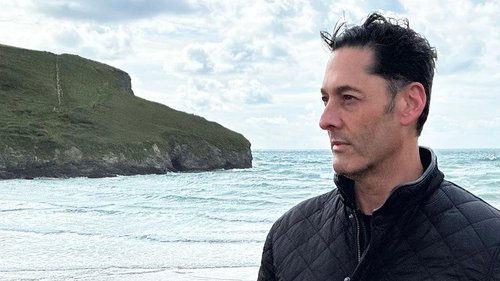
A recent court decision in Thailand has allowed Paul Chambers, an American political science lecturer at Naresuan University, to be released on bail after his arrest under the nation's stringent lèse-majesté laws. U.S. officials expressed concern over Chambers' detention on allegations of defaming the Thai monarchy, a charge often met with severe legal repercussions. Although now out on bail, Chambers is restricted from leaving Thailand and must report to the immigration authorities monthly, while also facing the risk of deportation.
Chambers' legal team argued successfully for his release, highlighting his lack of published defamatory material against the monarchy and his long-standing ties to the country. Despite the easing of his immediate confinement, the legal challenges he faces under Thailand’s strict laws remain significant, with foreign nationals rarely becoming ensnared in such cases. Chambers must now navigate a complex legal landscape, with the looming threat of substantial prison time should charges be formally pressed against him, illustrating the delicate intersection of academic freedom and the legal frameworks regarding royalty in Thailand.John Yoon reports from Seoul on the implications of this case for foreign scholars and the broader context of free speech in Thailand.