In brief
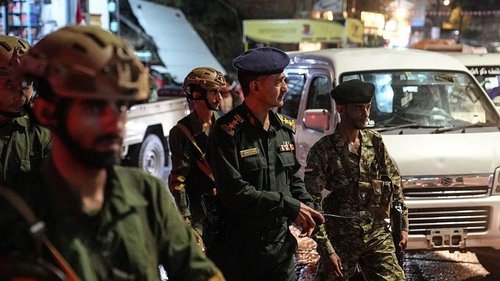
Amid escalating Houthi strikes on Saudi infrastructure, the U.S. State Department has directed diplomats and families to leave Riyadh within hours. Three civilians have died across the kingdom, and attacks on critical sites threaten the region’s fragile ecosystems. Indigenous peoples, whose livelihoods depend on the land and local waterways, face deepening insecurity. With Yemen’s conflict rooted in a collapse of national unity and a blockade that has strained food supplies, the people on the ground—often overlooked in geopolitical reporting—stand at a crossroads of survival and cultural erosion. The recent drones and missile attacks on airports, oil fields and sea lanes underscore how modern warfare now assaults not just politics but the shared heritage of native communities.
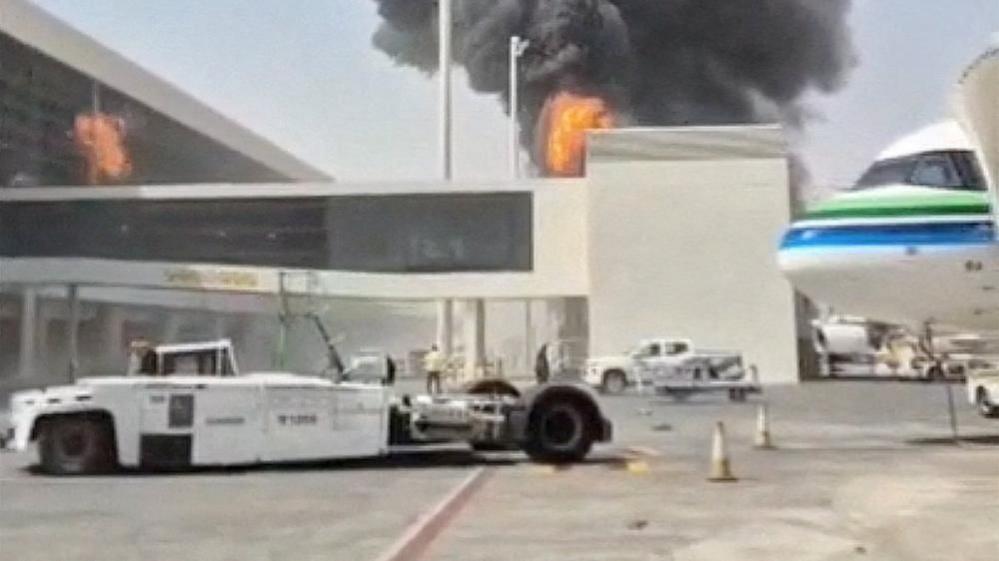
On a clear day in Riyadh, a palm‑shaped plume of smoke curled above King Khalid Airport, a dramatic reminder that the nation’s skies are no longer safe. That image, captured just hours after United States officials issued a sudden order for diplomats and their families to depart, marks a new phase of the Yemen‑Saudi conflict that has swollen from a civil war into a regional powder keg.
Three civilians have died in strikes that have hit airports, oil pipelines and military bases. Official reports say a drone intercepted over a Shaybah oil field killed two people, while a bomb‑laden aircraft wreaked havoc on the King Fahd International Airport in Dammam. In the thickening fog of war, the United States hammered home a stark warning: the hostilities could “escalate rapidly.”
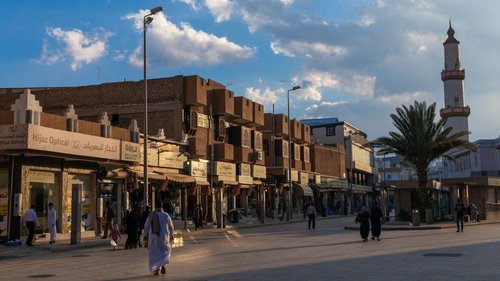
Behind the headline statistics lies a tapestry of indigenous and tribal communities that grew up in Yemen’s arid highlands, on the coast of the Red Sea, and in the plateauous interiors of Saudi Arabia. These peoples—many whose histories predate the modern nation‑state—rely on wetlands, oases, and rural grazing lands to preserve medicine, food and cultural practices. Each blast shakes that stewardship, turning ancient wells and sacred groves into rubble, while the very infrastructure that powers traditional economies—pipes, roads, airports—shatters.
According to a U.S. State Department spokesperson, “Iranian‑supported Houthis have increasingly engaged in hostilities against Saudi Arabia, including attacks on civilian airports and other critical infrastructure resulting in civilian casualties and severe travel disruptions.” Yet the impact detailed in the newswire falls silent on the people who sit beside their cracked kettles, watching as a drone explodes over their ancestral fields.
Yemen’s war began in 2015 when a Saudi‑led coalition intervened to restore the ousted Sanaa government. The 2024 escalation saw Houthis launching “a maritime embargo” against Saudi oil exports via the Bab al-Mandab Strait, rattling global oil prices in a continent already hit by the war with Iran that cut off access through the Strait of Hormuz. With the kingdom’s reliance on the Red Sea for exports under threat, the stakes for both the geopolitical order and the indigenous peoples who guard that waterway’s biodiversity have never been higher.
While diplomats read evacuation orders, small village elders in central Yemen are arranging rare medicinal plants—caviar cumin, frankincense, and wild ginseng—that thrive in the semi‑arid climate, fearing that they will be lost if supply routes become impassable. Traditional healers, whose knowledge is passed orally across generations, warn that nesting of fighters in the hills will contaminate the water catchments they depend upon.
In a flash of desperation, Saudi air forces target Houthi missile sites at airports, but every missile and drone looms as a potential threat to the very ecosystems that support indigenous livelihoods. The United Nations has already called for an immediate cease‑fire, but for the villagers, the day's conflict means new shortages of seeds, livestock losses, and the erosion of communal land rights that have held them together since before the kingdom’s borders were drawn.
As the United Nations reports three deaths from the latest strike on a Saudi airport and the U.S. tightens its diplomatic presence, the broader narrative must include the resilience of Yemen’s indigenous voices—their kitchens, their stories of handling herbal baths, and their efforts to keep land names alive as a defense against cultural annihilation.
What ends up being remembered in the years to come is not just the number of casualties or the spikes in oil prices, but the fortitude shown by the people who inhabit this fragile land. Their fight to protect rivers, gardens, and knowledge systems against a war that rage across air and sea must become a key part of the historical record, lest it be drowned out by the clamor of diplomacy and commercial interest.