In brief
Sheikh Mansour bin Zayed al-Nahyan of the UAE is recognized in the West for his wealth and as the owner of Manchester City. However, his connections with Sudanese military leaders amidst civil unrest reveal a troubling intertwining of sport, wealth, and secretive political agendas.
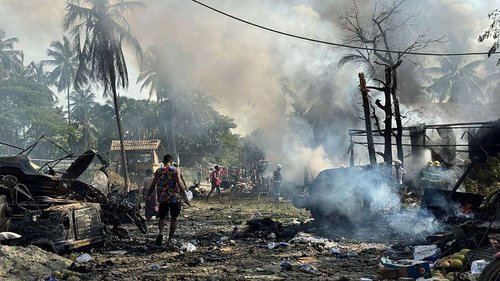
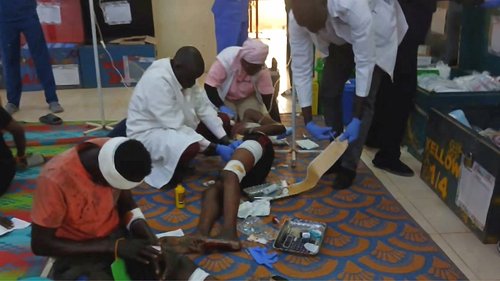
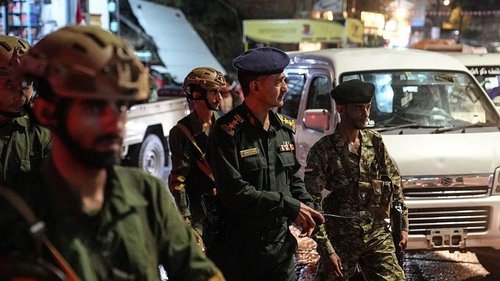
In the midst of Sudan's civil unrest, Sheikh Mansour bin Zayed al-Nahyan, a prominent member of the Emirati royal family and recognized soccer mogul, has been thrust into the spotlight for reasons beyond his lavish lifestyle and acquisition of football clubs. Often acclaimed as one of the wealthiest individuals in the region, he is best known for being the owner of Manchester City FC, one of England's top soccer teams. However, evidence suggests that his influence extends deep into the geopolitical sphere, raising serious ethical considerations.In February 2023, just months before the violent eruption of Sudan's civil war, Sheikh Mansour hosted Lt. Gen. Mohamed Hamdan, a key figure implicated in the conflict and the leader of the Rapid Support Forces (RSF). This meeting stood out not only for the luxurious setting—Mansour's opulent palace in the UAE but for the chilling context of their partnership. Hamdan, a notorious coup leader with ties to widespread human rights abuses, has built considerable wealth through the exploitation of Sudan's resources, particularly gold.The ties between Mansour and Hamdan appear to be multifaceted, dating back to earlier encounters, including one at an arms expo where they toured military exhibits together. As Sudan's situation spiraled into chaos in April 2023, it became evident that Mansour's charities, while ostensibly aiding civilians, functioned as a facade for a clandestine operation aimed at supplying the RSF with arms and drones, according to reports from American and U.N. officials.Mansour's actions illustrate a complex dynamic where the realms of sports, private wealth, and international crisis converge, prompting a deeper examination of the moral implications associated with using economic power to influence geopolitical outcomes. As the world watches the aftermath of the civil war unfold, the question remains: How do wealth and influence shape global stability and human rights?