In brief
An intense Houthi missile strike on a central Yemen training centre killed more than 50 recruits, leaving the Shabwa region’s indigenous peoples, who rely on the land for survival, in a precarious position. Local authorities describe the disaster as a war crime as the facility was a security training ground, not battleground. The attack deepens existing fissures as joint Saudi‑led coalition and Houthi forces clash for control of the coast and inland provinces. The war’s toll also damages the region’s limited water supplies and traditional grazing rituals that sustain tribal livelihoods. The broader conflict threatens the living heritage of Yemen’s indigenous communities, including their unique medicinal knowledge rooted in desert ecosystems.
Missile strike in Yemen’s Shabwa province turns a training camp into a landslide of loss for local communities.
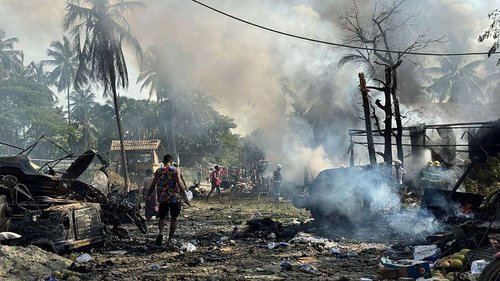
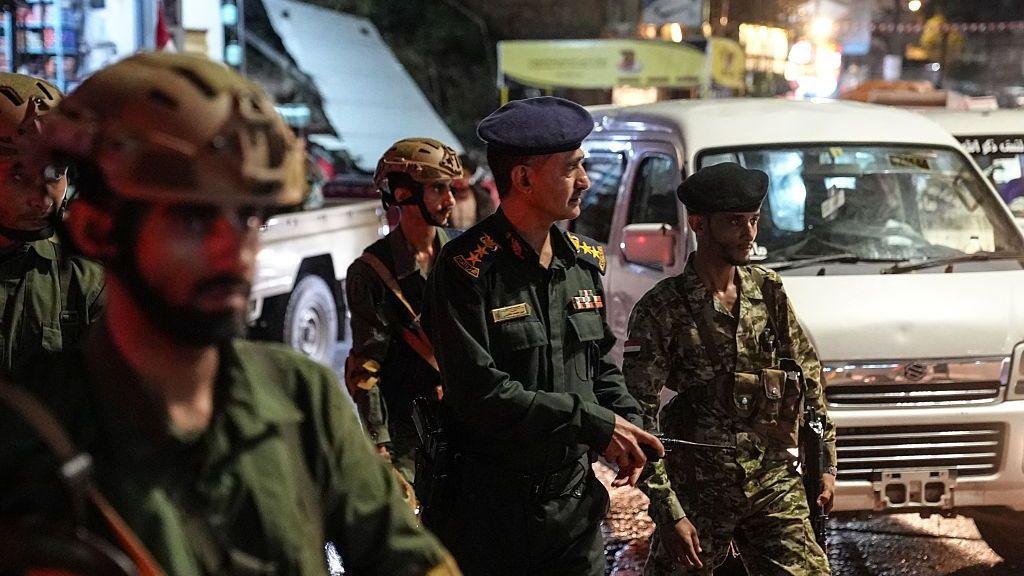
The Houthi movement launched three ballistic missiles at the Martyr Ahmed al‑Sulaimani Training Centre in Shabwa, killing 53 recruits and injuring more than 200. Local witnesses described a scene of scattered bodies across the dusty training grounds, a visual echo of the war’s ongoing gravity.
What sets this strike apart is the target – a centre that serves the growing internal‑security workforce rather than a military base. Government officials, citing the location’s defensive purpose, have classified the event as a war crime, underscoring how the conflict encroaches upon civilian‑linked institutions that many local families depend on for safety and cohesion.
In Shabwa, indigenous tribes depend on the land for grazing, irrigation and the cultivation of wild herbs that form the backbone of their traditional medicine. The sudden loss of these recruits means a fragile balance between protection duties and stewardship of resources is now shattered. Women gather the last of the medicinal herbs along the dunes, and elders worry that security disruptions will reduce the villages’ ability to guard their grazing routes against intrusion.
Beyond immediate casualties, the attack disrupts the supply chain of water and reduces the capacity for the region’s relatively short‑lived air showers. Communities that have lived for centuries under the rhythms of the desert now face an uncertain future as the war expands, threatening not only lives but the very knowledge that has kept their people alive in harsh environments.
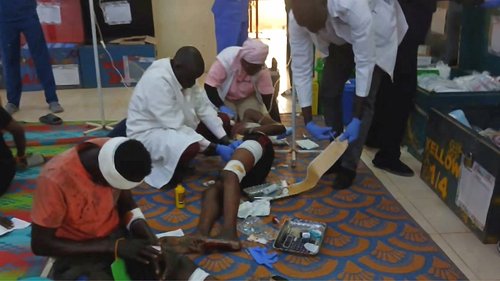
With Saudi‑led air strikes continuing in the north and contested battles around Marib, Taiz and Hadramout, the surrounding area is harder to manage. The constant bombardments strain the already limited medical facilities in Shabwa, forcing critical patients to travel to Aden or Hadramout, and pushing local grass‑root healers to offer improvised care where possible.