In brief
US stocks and the dollar faced significant drops following President Trump’s intensified attacks on Federal Reserve Chair Jerome Powell. Trump's demand for lower interest rates, attributed to concerns over tariffs and economic slowdown, has led to market instability, with the S&P 500 and Dow Jones seeing substantial losses.
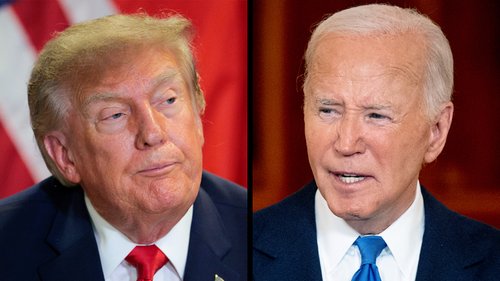
US stocks and the dollar faced sharp declines once again on Monday as President Donald Trump escalated his criticisms of Federal Reserve Chair Jerome Powell, labeling him "a major loser" for his reluctance to lower interest rates. Trump took to social media urging Powell to take action "pre-emptively" in order to stimulate the economy, expressing frustration over what he perceives as an overly cautious response to economic challenges. In a recent post, Trump warned of a potential economic slowdown unless action was taken immediately. This confrontation with Powell, whom Trump appointed to lead the Fed during his first term, has further exacerbated existing market instability, causing anxiety among investors regarding an impending recession. The S&P 500 index, which reflects the performance of 500 of the largest US companies, dropped approximately 3% in early trading on Monday, marking nearly a 12% decline since the year's start. The Dow Jones Industrial Average fell by 2.9%, down about 10% year-to-date, while the Nasdaq Composite plunged over 3.4%, reflecting an 18% loss so far in 2023. Traditionally considered safe assets during market disturbances, the dollar and US government bonds are also feeling the pressure. On Monday, the dollar index, which gauges the dollar's strength against several currencies including the Euro, fell to its lowest point since 2022. Moreover, interest rates on US Treasury bonds rose, indicating that investors are demanding higher returns to hold onto these securities. Trump's tension with Powell is not new; it dates back to his first term when discussions of firing him surfaced. Lately, Trump criticized the Fed chair's assessment that tariffs may increase prices and contribute to a slowdown. Last week, he explicitly called for Powell's termination on social media, stating, "Powell's termination cannot come fast enough," a move that would raise significant legal and ethical concerns regarding the independence of the Federal Reserve.These events reveal the deepening rift between the White House and the central bank, with implications for economic policies and market stability as the US grapples with a precarious economic landscape.